Questa

Between gorge and mountains, find what’s real

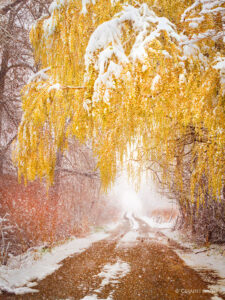
Photo by Geraint Smith

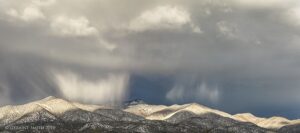
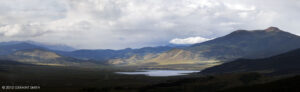
About 30 minutes north of Taos, Questa sits between two striking Northern New Mexico landscapes. To the west, volcanic mesas drop into the Rio Grande and Red River gorges of Rio Grande del Norte National Monument. To the east, the Sangre de Cristo Mountains rise toward the Carson National Forest and the road to Red River.

Winter brings a quieter kind of adventure. Wild Rivers Recreation Area is open year-round for hiking, snowshoeing, wildlife viewing and photography, with La Junta Point overlooking the confluence of the Rio Grande and Red River. The mostly level, five-mile Rinconada Loop offers an accessible way to explore the rim country; when snow cover cooperates, it can also become an ungroomed winter route. Downhill skiing is about 13 miles away in Red River.

As spring reaches the high desert, village walks and gorge country often open up before higher mountain trails. In town, the roughly 0.6-mile Questa History Trail leads toward St. Anthony de Padua Church, the historic adobe landmark rebuilt by community volunteers after a wall collapsed in 2006. Questa’s creative side continues at local galleries and through Questa Creative Council programs and events.

The Questa Visitor Center at 1 NM-38 is seasonal, generally operating from Memorial Day weekend through early October. For winter and spring planning, visit visitquesta.com or questa-nm.com.

Eagle Nest

High valley views, frozen lakes, mountain quiet

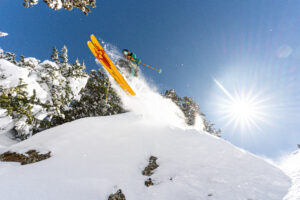
Photo by Geraint Smith

Perched high in the Moreno Valley, Eagle Nest is a laid-back alpine village on the Enchanted Circle Scenic Byway. With Eagle Nest Lake at its doorstep and Wheeler Peak on the horizon, it makes a peaceful base for exploring the snow country between Angel Fire and Red River.

Winter turns Eagle Nest Lake State Park into the village’s centerpiece. When conditions cooperate and State Parks declares the ice safe, anglers head onto the frozen lake in pursuit of rainbow trout, kokanee salmon, yellow perch and northern pike. Kokanee snagging season runs through Dec. 31. The annual Ice Fishing Tournament traditionally takes place in January, but the date and even access to the ice depend on conditions.

New Year’s Day brings another Eagle Nest tradition, the Polar Bear Plunge & Stomp, with hardy participants taking an icy dip at the lake. Nearby Cimarron Canyon State Park offers another winter landscape of dramatic cliffs, ponderosa forest, trails and fishing.

Back in the village, Therma Drive keeps things pleasantly small-town, with cafes, shops, galleries, lodging and Comanche Creek Brewing Company. Winter hours can vary, so calling ahead is a good idea.

Come spring, Eagle Nest remains a quiet gateway to the outdoors. Run For The Wall’s Central Route is scheduled to stop overnight in Eagle Nest in May, continuing east the following morning.

Visitor Info

Eagle Nest Visitor Center & Gateway Museum — 505-721-0704 — visiteaglenest.org

Eagle Nest Chamber of Commerce — eaglenestchamber.org

Angel Fire

A milestone winter in the Moreno Valley

Angel Fire, New Mexico

Set high in Northern New Mexico’s Moreno Valley, Angel Fire pairs small-town mountain charm with plenty of ways to get outside. This winter brings a milestone for Angel Fire Resort: its 60th anniversary season and the debut of Angel Express, New Mexico’s first high-speed six-person chairlift.

The ski season is scheduled for Dec. 11, 2026 through March 21, 2027, weather permitting. Current resort statistics list 627 skiable acres, 96 trails, a 2,123-foot vertical drop and eight lifts. Angel Express replaces the longtime Lift 2 and gives skiers and riders another way to reach mid-mountain terrain as they progress beyond the beginner area.

There is plenty to do away from the downhill runs. The Nordic Center maintains more than 12 kilometers of groomed cross-country terrain when conditions allow, with snowshoeing permitted. Families can also head to the resort’s designated sledding hill or three-lane tubing hill, while horse-drawn sleigh rides remain among the winter experiences promoted by Visit Angel Fire.

One longtime offering will be absent this winter: night skiing is paused for the entire 2026-27 season while the resort evaluates skier traffic around Angel Express and plans future lighting. Holiday traditions continue, including Ski with Santa and Holidays on the Mountain on Dec. 25 and New Year’s Eve on the Mountain on Dec. 31.

As winter rolls toward spring, one of Angel Fire’s most distinctive traditions brings a different kind of speed to the mountain. The World Championship Shovel Races, Jan. 29-30, send competitors hurtling downhill on grain shovels, a quirky winter competition that has become a signature Angel Fire event.

Après-ski options include El Jefe at the resort base, Summit Haus near the top of Chile Express and Elements at the Country Club. Around the village, Mikuna Grill, Elevated Pour and Nuckolls Brewing Co. offer more places to unwind. One People’s Kitchen, a family-style restaurant serving from-scratch American comfort food, opened in February 2026.

Visitor Center: 575-377-6555 • visitangelfirenm.com

Angel Fire Resort: 800-633-7463 • angelfireresort.com

Mountain stats

Season: Dec. 11, 2026-March 21, 2027, weather permitting

Base elevation: 8,554 feet

Summit elevation: 10,677 feet

Vertical drop: 2,123 feet

Skiable acres: 627

Trails: 96

Lifts: 8

Terrain parks: 3

Glade/tree terrain: 40 acres

Average annual snowfall: 210 inches

Snowmaking: 52 percent of the mountain

Red River

Western vibe, snowy slopes, festive nights

Red River packs a full winter getaway into one easygoing mile of Main Street. Set at 8,750 feet in the Sangre de Cristo Mountains, the former mining town pairs Western character with skiing, snow play, live music, shops and restaurants close at hand.

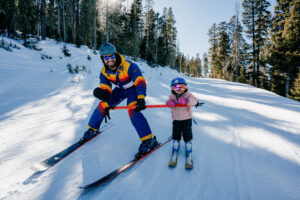
Red River Ski & Summer Area rises right from town, with two chairlifts accessible from the center of Red River. The mountain offers 64 trails across 290 skiable acres, seven lifts and three terrain parks. For the 2026-27 season, skiing and snowboarding begin Nov. 25 and continue through March 21, conditions permitting. Winter tubing opens Nov. 24, with one-hour sessions offered on scheduled dates throughout the season.

Off the slopes, visitors can explore snowmobiling, snowshoeing and other winter activities, then return to Main Street for local dining, shopping and live music. Red River’s compact layout makes it easy to move between the mountain and town without spending the day in the car. The town’s free, year-round Miners Transit offers on-demand transportation around Red River and to nearby areas, with two wheelchair-accessible vehicles. Call 575-770-5959 for pickup.

Winter also brings traditions worth planning around. Switch on the Holidays lights Brandenburg Park on Thanksgiving evening, followed by Christmas in the Mountains Dec. 19-20. The Red River Songwriters’ Festival returns Jan. 21-23, and Mardi Gras in the Mountains brings six days of music, costumes, a Main Street parade and Louisiana-inspired revelry Feb. 4-9.

Whether the plan is first tracks, an afternoon of tubing or a night of music after the lifts close, Red River keeps winter adventure and small-town hospitality within easy reach.

Info: redriver.org | redriverskiarea.com | 575-754-2223

Mountain Stats

Season: Nov. 25-March 21 (conditions permitting)

Base Elevation: 8,750 feet

Summit Elevation: 10,350 feet

Vertical Drop: 1,600 feet

Skiable Acres: 290

Trails: 64 (31 percent beginner, 38 percent intermediate, 31 percent advanced)

Lifts: 7 (including two from Main Street)

Terrain Parks: 3

Snowmaking Coverage: 85 percent

Arroyo Seco

Art, food and village life on the road to the mountains

Photo by Geraint Smith

Nestled between Taos and Taos Ski Valley along N.M. 150, Arroyo Seco packs a remarkable amount of art, food and history into its compact village center. Its roots run deep: The valley appears in Spanish colonial records as early as 1716, and by 1804 the village was securely established. La Santísima Trinidad Church was licensed in 1826 and completed by 1834.

Today, Seco remains a place where working artists and locally owned businesses are part of everyday village life. Ceramics are especially well represented at Logan Wannamaker Pottery, Rottenstone Pottery and Old Bones, which features clay, textiles and fine art. Taos Wools celebrates yarn, weaving and Southwestern wool, while Fine Art New Mexico continues its fine-art printing and Southwest art business.

There is plenty to eat, too. Stop at Abe’s Cantina y Cocina for breakfast or lunch, Taos Cow for coffee, sandwiches and New Mexico-made ice cream, or Sol Food for an organic café and small grocery market. ACEQ serves dinner and happy hour in the heart of the village. Because hours can change seasonally, check with individual businesses before heading out.

Arroyo Seco’s creative life extends beyond its shops and galleries. Arroyo Seco Live, a nonprofit formed in 2014, supports music, art, cultural education and community programming. Recent offerings have included concerts, community crafts, printmaking, yoga and the Seco Potter Fest, which brought more than 20 ceramic artists to the village in September 2026.

Winter and spring bring their own rhythm. Skiers and sightseers pass through on their way to Taos Ski Valley, but Arroyo Seco rewards those who stop. Grab a coffee, wander through the galleries, admire the old adobe church and see what is happening around town. The mountains may beckon just up the road, but Seco offers plenty of reasons to linger.

Arroyo Seco Live: secolive.org

Taos Ski Valley

Big mountain, sharper details

At the end of NM 150, the Village of Taos Ski Valley rises into one of New Mexico’s most distinctive winter communities, a compact alpine village beneath the state’s highest mountains. Taos Ski Valley opens its 2026-27 season Thanksgiving Day (Nov. 26), with 1,294 skiable acres, 110 trails and 13 lifts climbing from a 9,350-foot base to 12,481-foot Kachina Peak.

The biggest changes this winter are less about expansion than refining the ski experience. Taos Ski Valley says it invested more than $3 million during summer 2026 in trail work and glading, additional tower and fan snow guns, and satellite snow-depth mapping designed to improve grooming efficiency. Longer-range plans, including a base-to-base gondola and replacements for Lifts 2 and 8, have been approved for future implementation, but no opening dates have been announced.

The Ernie Blake Snowsports School’s classic six-day Ski Weeks continue, joined by discounted Early Season Ski Weeks and Women’s Ski Weeks. Mini-Shredders and Shredders Xtreme return for young skiers and riders, and new guided Full Moon Uphill Tours offer another way to experience the mountain after hours.

Off the slopes, the walkable village offers lodging, dining, shopping and services, with Taos’ arts, culture and cuisine waiting down the canyon.

Info: Village of Taos Ski Valley Chamber of Commerce: 575-776-7852 • taosskivalley.com; Taos Ski Valley, Inc.: 800-776-1111 • skitaos.com

Mountain stats

Season: Opens Thanksgiving Day (Nov. 26); closing date weather dependent

Base elevation: 9,350 feet

Summit elevation: 12,481 feet (Kachina Peak)

Vertical drop: 3,131 feet

Skiable acres: 1,294

Trails: 110

Lifts: 13 (1 gondola, 2 high-speed quads, 2 fixed-grip quads, 4 triples, 1 double, 3 surface lifts)

Snowmaking coverage: Nearly 100 percent of beginner and intermediate terrain

Picuris Pueblo

Living culture and renewal in the Hidden Valley

Follow NM 518 south into the Sangre de Cristo Mountains, then NM 75 west, and you’ll find Picuris Pueblo, known as “Pin, wel, ene,” tucked along the Rio Pueblo in what the Pueblo calls the Hidden Valley.

Picuris is a Northern Tiwa community with deep roots in this mountain landscape. The Pueblo’s museum says radiocarbon evidence places the community’s presence here at least as early as the 10th century, while the National Park Service traces Picuris ancestors to the Pot Creek area and their movement toward the present village around A.D. 1250.

One of the best places to learn more is the Picuris Pueblo Museum and Interpretive Center, which reopened in 2025 after being closed for decades. Its exhibition, “Reemergence: Tradition, Innovation, and the Reopening of the Picuris Museum,” explores ancestral history, Picuris participation in the Pueblo Revolt and contemporary art. The museum is open Monday-Friday, 10 a.m.-4 p.m., and Saturday, 10 a.m.-2 p.m.

Visitors can also explore the Pueblo’s recreation park, with basketball and volleyball courts, a pump track, walking and running trail, workout equipment and skate features. Thu-Tha Lake is temporarily closed for restoration, so fishing should not be counted on until the Pueblo announces its reopening.

For a bite, check out Tribal Slice, the Pueblo’s locally operated pizzeria. The Picuris Travel Center offers fuel, restrooms, an ATM, EV charging, groceries and other basics.

Plan ahead and visit respectfully. Guests should check in at the Tribal Administrative Office upon arrival. General photography requires a $15-per-camera permit, cash only, but photography and recording are prohibited during ceremonial dances and rituals. Homes, kivas, ceremonial rooms, cemeteries and other restricted areas should be treated as private.

Winter observances listed by Picuris include Vespers and Matachines on Dec. 24, Matachines on Dec. 25, the Children’s Dance on Dec. 28 and the Men’s Dance on Jan. 1. Because schedules and access can change, visitors should call ahead before attending.

visitpicuris.com

Taos Pueblo

A living community, more than a millennium strong

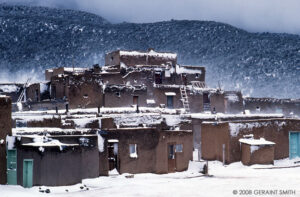
Photo by Geraint Smith

At the base of the Sangre de Cristo Mountains, Taos Pueblo is home to the Red Willow People. Its multistoried adobe buildings have been continuously inhabited for more than a thousand years, rising in terraced tiers beside the Rio Pueblo. Taos Pueblo is both a National Historic Landmark and a UNESCO World Heritage Site.

Land and water remain inseparable from community life. Blue Lake, in the mountains above the Pueblo, is sacred to Taos Pueblo and feeds the stream flowing through the village. In 1970, the federal government returned approximately 48,000 acres of land to Taos Pueblo, including its sacred Blue Lake.

Visitors today encounter not a reconstruction or museum, but a sovereign community where homes, religious observances, art, family life and cultural responsibilities continue in the present. Guided tours, offered when the Pueblo is open, provide an introduction to its history and culture and generally last 20 to 30 minutes. Individually operated shops offer Pueblo-made pottery, jewelry, paintings, sculpture and other arts and crafts.

Visitors are asked to follow posted boundaries, enter only homes clearly marked as businesses, stay out of the river and cemetery, and ask permission before photographing tribal members. Photography is prohibited inside San Geronimo Chapel. Feast days and ceremonial observances have additional restrictions, including prohibitions on photography and recording.

Taos Pueblo closes annually for a period in late winter and early spring, with dates generally falling between February and April. Hours and access can also change because of religious observances or other community circumstances.

Check before you go: Visit taospueblo.com or call 575-758-1028 to confirm current hours and access.

Taos

Where winter light, living culture and creative renewal meet
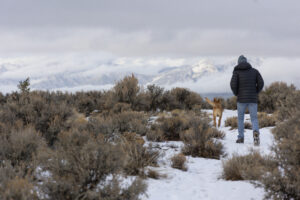
There is a particular kind of quiet that arrives in Taos with winter. Snow traces adobe walls and the Sangre de Cristo peaks. Morning light sharpens across the high desert. Skiers point north toward Taos Ski Valley, while in town a different rhythm takes over: gallery rooms, historic homes, cafés and conversations that have time to unfold.

But quiet does not mean standing still. Taos enters Winter–Spring 2026–27 after another year of investment in the places where community life happens. Around historic Taos County Plaza, a multiyear improvement project has modernized underground utilities and drainage while renewing paving, sidewalks, the landmark gazebo and accessibility. Nearby, the Historic Taos County Courthouse returned to public cultural life with Taos Fall Arts programming in September 2026 as restoration work continued.

The Plaza remains what it has long been: a gathering place. The difference is in the details, with refreshed public infrastructure designed to carry this historic center into another generation. A few blocks away, Red Willow Park, formerly known as Kit Carson Park, offers open space, a walking track, playground and sports facilities through the quieter winter months.

Yet the deeper story of Taos remains its layers of living culture.

At Taos Pueblo, the multistoried adobe village is both a living Indigenous community and a UNESCO World Heritage Site and National Historic Landmark. Visitors are welcomed according to the community’s own schedule and rules. Hours are generally 9 a.m.-4 p.m., but closures can occur for ceremonies or other community needs, including an extended closure typically observed in late winter and early spring. Check before visiting and remember that you are entering someone’s home and community, not simply an attraction.

Winter, of course, has its outdoor side. Taos Ski Valley’s Winter ’27 season is scheduled to begin Thanksgiving Day (Nov. 26), bringing skiing and snowboarding as well as weather-dependent activities including skating and sledding.

Down in the high desert, winter reveals another landscape. Rio Grande del Norte National Monument remains open year-round, although snow, ice and rapidly changing weather can make trails and roads difficult. As temperatures rise in spring, attention begins turning toward hiking and the Rio Grande, where boating conditions depend heavily on runoff, weather and river flows.

Winter is also an ideal season to discover why Taos has been synonymous with art for generations. The Taos Art Museum at Fechin House, Harwood Museum of Art and Millicent Rogers Museum offer very different paths through the area’s artistic history, from Pueblo and Hispano traditions to the Taos Society of Artists, Taos Moderns and contemporary work. Historic museum homes and independent galleries clustered around downtown make it easy to spend an afternoon moving between adobe architecture, paintings, textiles, jewelry, photography and contemporary art.

Spring brings another cultural reason to visit. After its inaugural edition in 2026, the Taos Film Festival returns April 29-May 2, with screenings and programs centered at Taos Center for the Arts and partner venues.

Getting here has changed, too. Contour Airlines is scheduled to connect Denver and Taos three days a week from Dec. 14 through March 31, followed by twice-weekly service from April 1 through June 28. JSX is scheduled to offer winter nonstop service from Dallas, Austin and Carlsbad, California, from Dec. 14 through March 31.

Once here, slowing down remains one of the best ways to understand Taos. A ski morning can become a museum afternoon. A walk around the Plaza can lead into a gallery, a centuries-old adobe building or a conversation you hadn’t planned to have.

That balance between preservation and possibility define the summer season, too: change that builds upon Taos rather than replacing what makes it distinctive. In winter and spring, the contrast becomes especially vivid: snow and adobe, ancient traditions and new creative work, mountain adventure and the quiet pleasures of town.

Come for the snow or the art, the adobe or the river. Then give Taos some time. It has never been a place best experienced in a hurry.

Taos Visitor Center / Taos Pueblo Collective

1201 Paseo del Pueblo Sur, Taos | 575-758-3873
Taos

There’s always been something timeless about Taos: The light that invites artists to stay, the rhythm of life shaped by culture, land and community. Heading into the 2026 summer and fall seasons, Taos is also unmistakably in motion. Across town, a wave of change is unfolding: not replacing what makes Taos special, but deepening it. From revitalized public spaces to new places to stay, from expanded travel access to renewed creative energy, Taos is experiencing a moment that feels both new — and deeply rooted.

At the center of that momentum is a renewed downtown. The Historic Taos Plaza is undergoing significant improvements, including upgrades to the gazebo, lighting and accessibility — all designed to enhance its role as a gathering place for events, music and community life. Nearby, the long-awaited reconstruction of the Old Taos County Courthouse is moving forward, with plans to reopen as a multi-use space featuring exhibits, performance areas and a deeper look at Taos history.

Elsewhere, change reflects a broader commitment to honoring culture and place. The renaming of Kit Carson Park to Red Willow Park signals a meaningful step toward recognizing Tiwa heritage and strengthening connections between the Town of Taos and Taos Pueblo.

Visitors will also notice improvements in the way Taos welcomes them. A new terminal at Taos Regional Airport is set to open this year, bringing expanded amenities and supporting increased air service to and from Northern New Mexico. Alongside expanded flight routes and ongoing infrastructure investments, getting to Taos is becoming easier — without losing the sense of arrival that makes the journey feel like stepping into another world.

And once you’re here, there’s more to experience than ever.

A standout addition is Hotel Willa, a reimagined boutique property that blends modern comfort with classic Taos character. All over town, historic and new spaces are bringing music, food and community programming. Even longtime institutions are evolving, including the Carson House & Museum, which now offers more inclusive storytelling that reflects the full cultural history of Taos, and the storied Millicent Rogers Museum, which continually transforms its spaces.

Yet for all that’s new, what defines Taos remains its enduring spirit.

Summer and fall bring that spirit to life in full color. Free concerts on the Plaza, outdoor movies and concerts at Red Willow Park and community events throughout the season create a rhythm of gathering and celebration. Signature traditions like Las Fiestas de Taos, the Taos Pueblo Pow Wow and the annual Rodeo de Taos and Gymkhana series at the Taos County Sheriff’s Posse Arena continue to anchor the calendar, alongside beloved experiences like the Taos Farmers Market and performances that fill the high desert with music and movement.

This is a place where culture isn’t staged — it’s lived. Visitors can walk through Taos Pueblo, a community continuously inhabited for more than 1,000 years, explore galleries shaped by generations of artists, or simply spend time on the Plaza, where conversations unfold at their own pace.

That balance  — between preservation and possibility — is intentional. Taos has embraced a destination stewardship approach, focusing on tourism that supports local culture, protects natural resources and strengthens the community for generations to come.

For those planning a visit, the newly published “Visit Taos New Mexico” visitor guide, produced by the Taos News in partnership with the Town of Taos, offers a comprehensive starting point. Inside, readers will find travel tips, cultural insights and curated recommendations for dining, events and outdoor adventure — all designed to help visitors experience Taos with both curiosity and respect.

In Taos, what’s new never stands apart from what’s always been. In- stead, it builds on it; layer by layer, story by story.

This is a story of renewal. A town honoring its past while shaping its future. A place where innovation meets tradition, and where every visit offers something unexpected.

And as always, the invitation remains the same: slow down, look around and let Taos reveal itself — in its own time.

Taos Visitor Center / Taos Pueblo Collective 1201 Paseo Del Pueblo Sur, Taos, NM 87571 575-758-3873

taoschamber.com

Picuris Pueblo

Follow the high road into the Sangre de Cristo Mountains — N.M. 518 S to N.M. 75 W — and you’ll find Picuris Pueblo, known as “Pin, wel, ene,” tucked along the Rio Pueblo in what locals call the Hidden Valley. Like Taos Pueblo to the north, Picuris has been home to its people for centuries, with roots tracing back at least 750 years to the Pot Creek area.

Surrounded by mountains and forest, Picuris offers a quiet blend of natural beauty and living culture. Explore San Lorenzo de Picuris, the historic adobe mission church at the center of the village, and learn more at the Picuris Pueblo Museum and Interpretive Center, which features permanent and rotating exhibits and is open Fridays and Saturdays, with weekday visits available by appointment.

Outdoor recreation continues to expand. Thu-Tha Lake offers fishing with permits available at the Picuris Travel Center, which also provides fuel, restrooms and an EV charging station. The Pueblo’s recreation park includes trails, courts and a popular bike pump track with multiple lines for riders of varying skill levels.

Check out Tribal Slice, a locally operated pizzeria that has become a gathering place for the community and draws diners from across Northern New Mexico.

Plan ahead and visit respectfully. All guests should check in at the Tribal Administrative Office upon arrival, where information is available and required photo permits may be purchased (cash only). Photography and recording are strictly prohibited during ceremonies and dances.

The Pueblo’s gift shop offers locally made art and crafts, including traditional micaceous pottery and other works by Picuris artisans. Seasonal events include San Lorenzo Feast Day on Aug. 10. Visitors should call ahead for details
and current schedules.

visitpicuris.com

Enchanted Circle Communities

Follow the scenic 86-mile loop through Northern New Mexico’s high country, where snow-capped peaks, forests, and valleys link a constellation of small towns and villages. This circle of communities — from ancient Taos Pueblo and creative Arroyo Seco to alpine Taos Ski Valley, western-spirited Red River, and welcoming Angel Fire — celebrates the history, beauty, and adventure that define the Sangre de Cristo range. Prepare to discover the heart and soul of the Enchanted Circle.

[Check ahead for winter travel advisories]

Taos Pueblo

Ancient walls, living culture, sacred spirit

Perched at 7,200 feet on the edge of Taos, the Red Willow People have called this sacred landscape home for well over a millennium. Taos Pueblo is one of the oldest continuously inhabited communities in the United States, honored as both a National Historic Landmark and a UNESCO World Heritage Site. Stroll the terraced adobe dwellings of North and South Pueblo, where roughly 150 residents still live within the walls while many others maintain homes across the broader 99,000-acre land base. A 20–30 minute guided tour offers a respectful glimpse into Pueblo life — its history, spiritual traditions, and artistic legacy — while friendly shops invite visitors to bring home traditional pottery, silverwork, weavings and more, all tax-free.

Important note: Taos Pueblo remains a living, sovereign community. Photography is allowed for personal use only; photographing tribal members or sacred areas requires explicit permission. Seasonal closures may apply, especially in late winter through early spring — call ahead to ensure access. Tiwa, the ancestral language, still echoes in ceremony and daily life amid the rhythms of modern life.

Welcome with curiosity, tread with respect—and leave with wonder.

Visit taospueblo.com or call 575-758-1028 before your visit.

Taos Ski Valley

Big terrain, alpine spirit, legendary legacy

At the end of NM 150, the Village of Taos Ski Valley welcomes adventure-seekers with big-mountain terrain and small-village charm, all under the shadow of Wheeler Peak.

Founded in the 1950s by Swiss-German ski pioneer Ernie Blake, the resort remains fiercely independent while celebrating 70 years of legendary skiing. Skiers and riders can choose from beginner slopes to double-black-diamond runs on Kachina Peak, while the iconic “Ski Weeks” continue to set Taos apart as the only program of its kind in North America. New for 2026, Women’s Ski Week expands to three sessions, alongside fresh programs for kids and teens.

Longtime operations chief John Kelly stepped into the CEO role this year and the resort’s Master Development Plan — approved this year by the U.S. Forest Service — includes a base-to-base gondola, new Nordic and snowshoe trails, upgraded lifts, and other projects designed to expand recreation while honoring Taos’ commitment to being “better, not bigger.”

With new direct flights connecting Taos to Denver, Dallas, Austin, San Diego, and Los Angeles, getting here is easier than ever — yet the resort still delivers the same pure mountain escape, blending challenge, charm, and community.

Info: Village of Taos Ski Valley Chamber of Commerce: 575-776-7852 • taosskivalley.com; Taos Ski Valley, Inc.: 800-776-1111 • skitaos.com

Arroyo Seco

Art-filled streets, timeless history, village soul

Welcome to Arroyo Seco — the luminous village at the base of El Salto Mountain that whispers “pause awhile.”

Nestled between Taos and Taos Ski Valley along NM 150, it carries 200 years of history. Its adobe storefronts house a surprising mix of galleries, cafés, and boutiques. Shoppers can wander into Arroyo Seco Mercantile, a treasure trove of vintage finds and quirky gifts, or explore Taos Wools, where hand-dyed yarns echo the colors of the high desert.

Ceramics are everywhere — Logan Wannamaker Pottery, Rottenstone Pottery, and the Old Bones gallery for clay and textiles showcase the region’s thriving clay community.

Fine Art New Mexico continues to draw visitors with its nationally known print collection, while Santos y Más delights with santos, milagros, and folk art passed down through generations.

Hungry? Options range from a scoop at Taos Cow to farm-to-table meals at ACEQ, hearty plates at Abe’s Cantina y Cocina, and market-fresh bites at Sol Food.

Visit the restored church and cemetery gardens of La Santisima Trinidad, originally built in 1834. The altar screen was painted by famed 19th century santero José de García Gonzales. In 2009, the historic church was given a place on the official State Register of Cultural Properties.

In Seco, art, history, and community come together seamlessly. Whether you arrive for the skiing, the shopping, or just the scenery, you’ll likely leave with something more: the feeling of having stumbled into a place that still belongs to itself.

Arroyo Seco Live

secolive.org


Red River

Western vibe, snowy slopes, festive nights

Red River’s western charm and snowy peaks make it the quintessential mountain playground. Once a gold and silver mining boomtown, today this mile-long community welcomes winter visitors with an easygoing vibe, big adventure, and genuine hospitality. The Red River Ski & Summer Area sits right in the heart of town, with two chairlifts rising directly from the town’s center. Skiers and snowboarders enjoy 64 trails across 290 skiable acres, three terrain parks, and seven lifts. With an average 214 inches of snow and 300 days of sunshine, conditions are reliably good — and Red River backs it up with one of the most advanced snowmaking systems in the Rockies. Torchlight parades with fireworks light up the slopes on Saturdays and holidays. Off the slopes, snowmobilers and winter UTV tours head deep into the backcountry and Enchanted Forest Cross Country Ski & Snowshoe Area offers 30+ kilometers of groomed trails. Around town, you’ll find mom-and-pop shops, live music at local saloons and hearty meals. Recent investments in new sidewalks, public art and Mallette Park upgrades show the town’s commitment to keeping its historic character fresh. Whether you’re here for après-ski music, Mardi Gras in the Mountains, or just the hush of snow falling on a quiet night, Red River offers the perfect blend of old-west charm and winter fun.

Info: redriver.org | redriverskiarea.com | 575-754-2223

Mountain Stats – Red River Ski & Summer Area

* Season: Late November – late March (weather permitting)

* Base Elevation: 8,750 feet

* Summit Elevation: 10,350 feet

* Vertical Drop: 1,600 feet

* Skiable Acres: 290

* Trails: 64 (31% beginner, 38% intermediate, 31% advanced)

* Lifts: 7 (including two from Main Street)

* Terrain Parks: 3 (from beginner features to Hollywood’s big hits)

* Annual Snowfall: 214 inches (average)

* Snowmaking Coverage: 85 percent

* Sunshine: 300+ days a year

Angel Fire

Sunset glow, mountain thrills, small-town charm

Angel Fire, east of Taos, lives up to its name. The Moache Utes, who once gazed at the fiery glow of sunsets on Agua Fría Peak, called it the “fire of the gods.” Today, that glow shines on a village known for big-mountain adventure and small-town charm. Angel Fire Resort anchors the community with 82 trails, four glade runs, and more than 2,000 vertical feet of skiing/riding. Families flock to the six-lane tubing hill, while weekend night skiing keeps the slopes alive under the stars. Horse-drawn sleigh rides, shopping and après-ski fun round out the winter magic.

Dining comes with a view: Elements at the Country Club offers refined cuisine, while the Summit Haus at 10,600 feet pairs comfort food with panoramas into Colorado. Down in the village, Mikuna Grill blends Peruvian and Southwestern flavors, while El Jefe delivers tacos and tequila at the resort base. The après scene is buzzing with newcomers. Nuckolls Brewing Company opened in 2024 with a 20-barrel brewhouse, expansive taproom, and beer garden. Elevated Pour, a sleek wine and cocktail bar beside the Angel Fire Visitor Center, serves curated wines, craft cocktails, and small plates.

Getting here is easier, too. Advanced Air now offers seasonal 40-minute flights from Albuquerque to Angel Fire Airport — one of the highest in the country — complete with village shuttle connections.

Visitor Center • 575-377-6555 • visitangelfirenm.com | Angel Fire Resort • 800-633-7463 • angelfireresort.com | Advanced Airlines • advancedairlines.com/airports/angel-fire-airport

Mountain Stats – Angel Fire Resort

* Season: Mid-December – late March (weather permitting)

* Base Elevation: 8,600 feet

* Summit Elevation: 10,677 feet

* Vertical Drop: 2,077 feet

* Skiable Acres: 560

* Trails: 82 (beginner to advanced) + 4 glade runs

* Lifts: 7 (including 2 high-speed quads)

* Night Skiing: Offered on weekends and holidays

* Annual Snowfall: 210 inches (average)

* Snowmaking Coverage: 52 percent of terrain

* Sunshine: 300+ days a year

Eagle Nest

High valley views, frozen lakes, mountain quiet

Perched at 8,300 feet in the Moreno Valley, Eagle Nest is a laid-back alpine village on the Enchanted Circle Scenic Byway. Once a rowdy outpost of miners and gunfighters, today it’s a quiet hub for outdoor adventure.

Winter transforms Eagle Nest Lake State Park into a frozen playground. Anglers test their nerve on the ice, reeling in kokanee salmon, rainbow trout, pike and perch. Kokanee snagging season runs until Dec. 31, and the lake hosts the annual Ice Fishing Tournament Jan. 31, 2026. For the bold, the Polar Bear Plunge & Stomp on New Year’s Day delivers a bracing start to the year. Nearby Cimarron Canyon State Park offers snowshoeing and fly fishing through dramatic cliffs and ponderosa forest.

In town, the main street brims with character — rustic lodges, cozy diners, gift shops and Comanche Creek Brewing Company, where mountain views pair with craft beer. The community gathers for traditions like the Laguna Vista Saloon Thanksgiving Potluck and a Christmas decorating contest that lights up the village in December.

With Wheeler Peak on the horizon and elk, deer and bald eagles roaming the valley, Eagle Nest is a peaceful base between Angel Fire and Red River — close to ski slopes, yet worlds away from the bustle.

Visitor Info

Eagle Nest Visitor Center & Gateway Museum – 505-721-0704 – visiteaglenest.org

Eagle Nest Chamber of Commerce – eaglenestchamber.com

Questa

Wild landscapes, rich traditions, creative spirit

Less than an hour north of Taos, Questa is the northern gateway to the Enchanted Circle and a launch point into the Río Grande del Norte National Monument.

At 7,500 feet, this historic village sits between alpine forests and the Rio Grande Gorge, offering year-round adventure and small-town charm. When winter snows blanket the mesas, locals swap hiking boots for skis and snowshoes.

The Rinconada Loop Trail at Wild Rivers Recreation Area serves up six miles of cross-country skiing with sweeping gorge views, while Columbine Canyon transforms into a snowy wonderland. Eagle Rock Lake even draws hardy anglers for ice fishing. For more adrenaline, snowmobilers head up Cabresto Road into the Carson National Forest.

In town, the 19th-century San Antonio de Padua Church stands at the heart of the historic plaza, lovingly restored by volunteers and still central to community celebrations like December’s Alumbra de Questa, when luminarias light the way to a craft market and evening of music.

Creative energy thrives here, too. The Questa Creative Council supports local makers with art tours, plein air painting festivals, and a popular summer farmers market featuring handmade tortillas, tamales, and fresh regional produce.

For visitors seeking the authentic, Questa delivers — unspoiled landscapes, rich history, and a community that invites you to “find what’s real.”

More info: visitquesta.com | questa-nm.com

Arroyo Seco

The village of Arroyo Seco sits just north of Taos along NM 150 — the scenic road to Taos Ski Valley — and serves as a creative, easygoing basecamp between town and the mountains.

Its character comes through in its walkable main street, where locally owned shops, galleries and eateries reflect the area’s long-standing artistic spirit and tight-knit feel.

History remains part of the village fabric. La Santísima Trinidad Church, built prior to 1834, is listed on the State Register of Cultural Properties and stands as a reminder of Arroyo Seco’s deep roots in Northern New Mexico.
Seco Live continues to anchor the local arts scene with community-driven programming, including seasonal events like Seco Potter Fest and other workshops, concerts and gatherings throughout the summer and
fall.

Visitors are encouraged to check current listings for up- dated schedules.
With its blend of culture, history and proximity to alpine adventure, Arroyo Seco remains one of the Taos Valley’s most inviting small communities — a place where a day in the mountains ends with a relaxed evening in the village.

secolive.org