
Three Hikes

By Cindy Brown

From alpine meadows to rushing creeks, these Taos-area trails offer something for every kind of hiker. With so many choices near Taos, how do you decide where to hike? Here are three fantastic places that provide jumping-off points for easier family outings, as well as more challenging routes for experienced hikers.
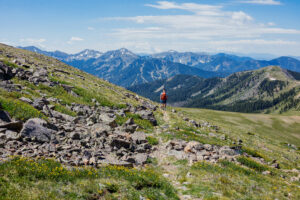
Columbine

Where to find it: North of Taos, east of Questa

Where to start: Hikes begin at Columbine Campground
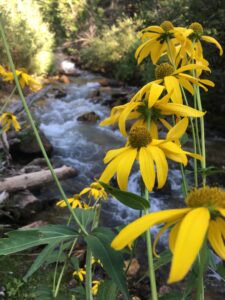
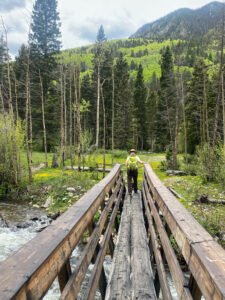
Family-friendly adventures: Head up Columbine Canyon Trail (Carson National Forest #71) as it follows Columbine Creek. A gradual climb meanders through aspen and alder. The trail crosses the creek several times and leads to a small meadow — a good place to end a short hike. Continue farther to reach a large meadow that makes a popular picnic spot. For added fun, try this hike with llamas; Wild Earth Llama Adventures: llamaadventures.com.

For more experienced hikers: Columbine Canyon Trail connects with Deer Creek, Placer Fork and Willow Fork trails, which head toward Gold Hill. Stay on the main trail as it steepens and climbs a series of switchbacks. In this section, the creek flows across moss-covered boulders, and in the summer, columbine and blue chiming bells bloom nearby. After a third meadow, the trail steepens again and climbs to the ridge at 11,800 feet. Here, the trail connects with Gavilan Canyon Trail, which descends toward Taos Ski Valley. This hike gains 3,800 feet and runs about 12 miles round trip.

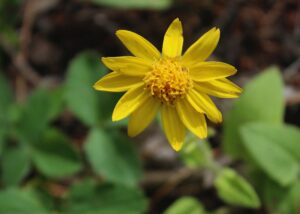
Why we love it: Columbine Creek keeps the hike cool, and the overflow creates a perfect environment for wildflowers in July and August.
How to get there: From Taos Plaza, go north on Paseo del Pueblo, which becomes NM 522. Drive 24 miles to Questa and turn right at NM 38. Pass the Questa Ranger Station on the right. Near mile marker 5, turn right at the Columbine Campground entrance. Follow the one-way loop and go 0.5 miles to the trailhead across from the bathrooms.

Santa Barbara

Where to find it: South of Taos, near Peñasco

Where to start: Santa Barbara Campground

Family-friendly adventures: Set off from the campground on Santa Barbara Trail (CNF #24). The trail winds into the Pecos Wilderness, following the Rio Santa Barbara through conifer and aspen forests. It climbs gradually above the river, then drops to meet it again. Small meadows dot the route, and cattle may graze here at times. The trail crosses the river on a bridge, where the path begins to climb — a natural turnaround point for a shorter hike.
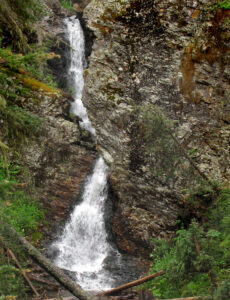
For more experienced hikers: The possibilities stretch far beyond the main trail. Watch for the West Fork Trail (CNF #25) sign and turn right. The trail climbs to a large meadow with views of Chimayosos Peak. Wildflowers and mushrooms often appear here in summer, and wildlife sightings may include wild turkeys or even a bobcat. This route connects to the Santa Barbara Divide and Truchas Lakes.

Why we love it: The Santa Barbara area shines in summer with abundant wildflowers and again in fall, when expansive aspen groves turn gold.

How to get there: From Taos Plaza, drive 3 miles south on Paseo del Pueblo and turn left on NM 518. Climb US Hill and continue 16 miles before turning right on NM 75. Follow the road through Vadito and past the Camino Real Ranger District office. Shortly after, turn left on NM 73. Drive 1.5 miles, then turn left onto Santa Barbara Road and continue 5.5 miles to the campground. Depending on the season, a parking fee may apply.

Taos Ski Valley

Where to find it: Northeast of Taos

Where to start: Taos Ski Valley base area

Family-friendly adventures: For a gentle walk along the Rio Hondo, try the JR Ramming Trail. The path begins near the Rio Hondo Children’s Learning Center and follows the river to the ski valley base area, where shops and restaurants await.
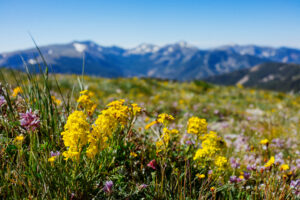
For more experienced hikers: A favorite route climbs Long Canyon to Gold Hill. Start east of the parking lot at the Bull-of-the-Woods/Wheeler Peak Trail (CNF #90). Climb about 1 mile to the Long Canyon (CNF #63) turn and go left. Follow the stream through the canyon, then climb toward Gold Hill (CNF #64). The hike starts at 9,400 feet and tops out at 12,700 feet, gaining 3,300 feet over about 9 miles. Start early and leave exposed ridges if afternoon storms build.

Why we love it: Along the Rio Hondo and its East Fork, columbine, wild geranium and other wildflowers bloom in July and August. At 9,400 feet, Taos Ski Valley stays cool in summer.
How to get there: From Taos Plaza, go north on Paseo del Pueblo about 4 miles. Turn right on NM 150, the ski valley road. Drive through Arroyo Seco and bear left at the old school. Continue to Taos Ski Valley. For the JR Ramming Trail, turn right toward the Children’s Center. For Bull-of-the-Woods, stay left to the upper parking lot. The trailhead sits on the left (northeast) side.
Mountain Golf Meets Margaritas

Three courses deliver scenery, challenge and a strong finish at the clubhouse

By Jeans Pineda

The most treacherous hole isn’t the par 5 with the dogleg or the bunker-guarded green — it’s the watering hole at the clubhouse, where one strong margarita or an ice-cold Michelob has you retelling how you saved double bogey with a pitching wedge and why your driver might belong in the trash.

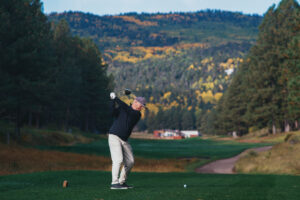
Fall at the Angel Fire Golf Course.

Follow the Enchanted Circle and you can chase great golf — then satisfy the hunger and thirst that comes with it.

Start on the southern end at Taos Country Club. In what looks like a sea of sage, the course winds through silver-green brush, rugged arroyos and wide-open mountain views. Carefully maintained greens meet the raw character of Northern New Mexico terrain.

If you tend to shank, think twice before hunting for balls in the sagebrush — this is rattlesnake country. If you’re bold, you might come away with a stash of balls left for dead.

Angel Fire, NM

The wide-open vistas impress, but on a cloudless day the course tests even the toughest players. Walkers should feel no shame in renting a cart when the sun bears down.

On the front nine, the eighth hole tests your patience. It’s a 513-yard par 5 from the white tees. The fairway slopes downhill at first, offering distance, before rising toward a sharply banked green that punishes downhill putts. You’ll second-guess every approach.

The Terrace Bar and Grill stands on its own as a destination. Locals gather there for events and meals. Order the oysters Rockefeller while golfers work on their short game or lean into something smoky — an Islay scotch like Laphroaig paired with a cigar from the pro shop.

Between Taos and Angel Fire, Valle Escondido lives up to its name — a hidden valley tucked 12 miles from Taos Plaza along Highway 64.

This nine-hole walking course offers a relaxed pace, ideal for beginners. You can take your time with your swing and even a mulligan or two. Prairie dogs provide the only audience.

The course relies largely on natural rainfall and avoids pesticides, giving it an environmentally conscious edge. The ninth hole has earned its own T-shirt: “I can’t believe I made it up 9.” It’s a 478-yard uphill par 5 with a dogleg and a line of stout trees guarding the midway point.

Make it through and reward yourself with a pastrami Reuben and a local IPA at the clubhouse.

Finish your circuit in Angel Fire, where you tee off at 8,600 feet on a par 72, 6,653-yard course framed by Rocky Mountain peaks.

The front nine stretches through canyons lined with aspen, spruce and pine. The back nine shifts to a links-inspired layout with tighter greens and strategic bunkers.

The greens stay pristine. Deer sometimes wander through the morning dew, though scoring well requires discipline. A reliable 3 wood often becomes your best friend. Take advantage of the driving range and dial in every club.

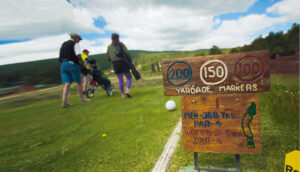
The signature sixth hole delivers the highlight. Golfers tee off from 200 feet above the green, sending a 239-yard shot into a corridor of aspens and pines. Stick the landing and you’ll feel like a pro.

At Elements, the bar and restaurant match the setting. Try the Buffalo Milk Burrata, served with honey-roasted acorn squash, pumpkin seed dukkah, pomegranate and grilled bread. Even this far from the ocean, the pan-seared sea bass arrives golden, paired with bok choy, market vegetables and an orange-ginger nage.

Natural Healing in Northern New Mexico

Taos herbalist Rob Hawley guides visitors and locals on wildcrafting herb walks

By Cindy Brown

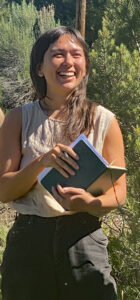
Plant medicine is science, says Rob Hawley, co-founder of Taos Herb Company.

The business has a storefront at 710 Paseo del Pueblo Sur, Suite J, but Hawley also offers educational wildcrafting tours in nature several times a year.

“Almost all of our modern-day drugs come from plants,” he says. And they also remain embedded in cultural systems of belief and healing.

“Plants are scientific, but they also have a folk use,” Hawley says. “This is the part of plant medicine that is handed down mother to daughter or father to son. This is where we have a lot of really rich belief systems that frequently overlap the scientific.”

Plants can also carry spiritual meaning. Hawley says Native people often use plants both as functional medicine and as spirit medicine in ceremony.

When gathering plants, Hawley follows practices of giving thanks and restoring the earth where the plants were taken. His teachers — both Hispanic Norteño and Native — taught him those traditions. He says he is simply part of a long, continuing tradition of using local plants for food and medicine in Northern New Mexico.

“The difference between Western medicine and herbal medicine is that the Western approach is patriarchal, top-down,” he says, “whereas folk medicine empowers the individual to heal themselves and comes from Mother Earth-based healing.”

Herb walk

On a Saturday last July, a group of 15 people gathered under overcast skies at Taos Herb to join Hawley for an herb walk east of Taos in the flatlands and mountains.

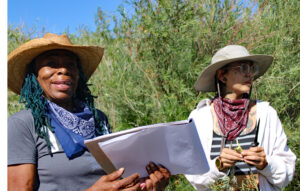
Some participants, like Mitzi Mortensen and Jen Vaughn, are relatively new to the area and hoped to connect with the land by learning about local herbs. A mother and daughter, Angela and Michelle Martinez, came to remember what their ancestors once practiced and to continue that culture and tradition. Others, like Sage Romero, already study plants and herbs and wanted to expand their knowledge to become more self-sufficient.

Those who have joined herb walks before brought their herb journals, which Hawley says are one of the best ways to learn about plants.

“By collecting samples of herbs and saving them in a journal, you can create your own plant press that will allow you to increase your knowledge by looking up the plants in books and on the internet after you collect them,” he says.

Heading out of town on NM 518, the group stopped at a pullout for their first lesson in collecting plants. After covering basic principles of herbal medicine, Hawley cut some willows — a species of the populous family known as jara or jarita in Spanish — and showed the group how to skin the bark from the stem.

The next step, he says, is to dry the bark in shallow bags out of direct sunlight and chop it into small pieces. The bark can be simmered in hot water for about 30 minutes or more to make a tea.

“Willow contains salicin, so it is like aspirin in that it is anti-inflammatory and analgesic, but it is not as strong, so there is almost no potential for toxicity,” he says. “It is useful for headaches or menstrual cramps or any kind of pain you can think of.”

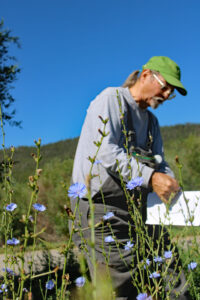
Hawley also points out blue chicory flowers and explains that the most useful part of chicory is the root, which acts as a diuretic used traditionally to treat urinary tract infections. In folk medicine, people believe roots hold their strongest energy in the fall, so gatherers often collect them closer to the end of the year.

Next, Hawley cuts a branch of what locals call sagebrush — chamiso pardo or chamiso hediondo in Spanish — which belongs to the aster family. The bitter plant prepares the body to digest food.

The group then heads toward U.S. Hill, turns onto a forest road and follows the rutted track, still wet from recent monsoons, into the woods.

At the first meadow, Hawley points out the plant mullein.

“Even though it hasn’t been here that long, perhaps 150 years, traditional Spanish midwives used the root as a postpartum sitz bath,” Hawley says.

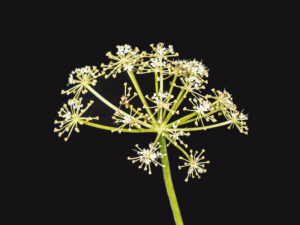
After stopping for lunch in the shade, the group heads farther up the road. In a wooded area they find osha — osha de la sierra in Spanish — which grows only above 8,500 feet on north-facing slopes in mixed aspen and conifer forests when a particular fungus is present.

Locals prize the plant for what they believe are its many healing properties. Herbalists use it as an expectorant or diaphoretic and sometimes to help relieve menstrual cramping. Because it produces a mild numbing effect, herbalists also use osha in traditional medicine to soothe a sore throat.

“If you have a cold in the wintertime with a cough and sore throat, osha is one of the most soothing things you can use,” Hawley says. “It has a strong smell and tastes like celery amplified by 50 times.”

Along the walk, Hawley points out other healing plants such as arnica, valerian and betony. He also shows the group poisonous plants including mountain larkspur and Indian paintbrush.

After a long day of collecting herbs, participants leave tired but excited to use their new knowledge in their own lives. Angela Martinez says the experience offered a powerful way to reconnect with the traditions of her ancestors.

As the group gathers for a photo, the moment carries a sense of cohesion and shared purpose. Psychologist Dacher Keltner describes this feeling as “collective effervescence” — the sense of connecting to something larger than yourself while participating in a like-minded group.

“This group was remarkable for how excited and stimulated they were by learning about plants,” Hawley says. “It’s a privilege to teach when people are so engaged.”

A long relationship with herbs

Hawley holds extensive knowledge of plants and their many uses. He has led herb walks for 40 years but began his career as a cancer research technician at the University of New Mexico Cancer Research Center.

“I was originally in science,” Hawley says. “My dad was a doctor, and we took an herb walk with well-known plant expert Michael Moore, and I got turned on by plants. Shortly thereafter, I opened Taos Herb with my sister, Tina Hahn, and wife Julie, so I’ve been studying plants for the last 45 years. My basic bent is a science leaning.”

The herb walks grew from that interest. Hawley usually leads a couple of them each year with groups of up to 30 people and has explored areas from the Rio Grande Gorge to Taos Ski Valley and along the Rio Chiquito.

Hawley, along with his wife and sister, sold Taos Herb to longtime employee Chelsea Crawford last year. The herb walks continue as a way to preserve and share knowledge with the community.

Visitors can stop by the shop to find some of Hawley’s favorite reference guides, including “Medicinal Plants of the Mountain West” by Michael Moore and “Healing Herbs of the Upper Rio Grande,” by L.S.M. Curtain, revised and edited by Moore. He also recommends the hard-to-find “Flowering Plants of New Mexico,” which includes hand-drawn illustrations by Robert DeWitt Ivey.

Taos Herb Company | 710 Paseo del Pueblo Sur, Suite J, Taos (Albertson’s Cruz Alta Shopping Center) | 575-758-1991 | taosherb.com

Finding Stride in the Sangres

Taos Trail Runners build community, one trail at a time

By Ellen Miller-Goins

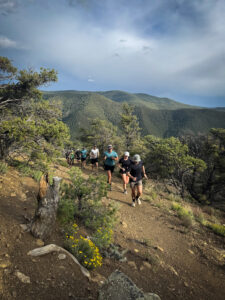
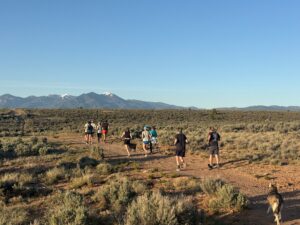
On any given Wednesday evening in Taos, a small group gathers at a trailhead — sometimes near the Rio Grande Gorge, sometimes in the foothills above town, sometimes farther afield in the mountains. There’s no starting gun, no sign-in sheet and no formal membership.

Just people showing up to run.

Some are seasoned endurance athletes training for long-distance races. Others are new to trail running altogether with a preference for a more manageable walk-run. Most fall somewhere in between.

They call themselves the Taos Trail Runners.

“It’s whoever shows up,” said Cameron Little, who helps coordinate the group’s weekly runs. “We post where we’re going, and people come run together. That’s kind of it.”

What began roughly three years ago as an informal meet-up has grown into a consistent community get-together — a reflection of both Taos’ outdoor culture and the accessibility of trail running as a sport.

The Taos Trail Runners are not a formal club. There are no dues, no board and no official structure.

Still, they meet every week.

“We’ve had at least one group run every week for over three years straight now,” said Aisha Little, Cameron’s wife.

The main run takes place Wednesdays at 6 p.m., typically drawing around 15 participants, with a larger pool of regulars who join when they can. Routes rotate across public lands in and around Taos — from well-known trails like the Rift Valley system to forest roads and lesser-known routes nearby. Distances vary, usually offering both shorter and longer options so runners of different abilities can participate.

Runs are designed to be social and inclusive.

For some participants, the weekly run is part of a training routine. For others, it’s a way to meet people and spend time outside.

“There’s a big range,” Aisha Little said. “There are people who are doing 50- or 100-mile races … and then there are people who just come because this is their one social activity for the week.”

The variety of terrain around Taos is part of what keeps the group moving. Favorite routes include Devisadero, the Rift Valley trails and higher-elevation runs like Palo Flechado Canyon. Other outings venture to places like the D.H. Lawrence Ranch area or Columbine Canyon, depending on the season and conditions.

“We try to rotate where we’re going,” Cameron Little said. “There’s a bunch of different trails.”

In addition to weekly runs, the group organizes occasional outings to trails outside the immediate Taos area. Each run typically includes a shorter route of about three miles and a longer option closer to six, with runners regrouping at intersections or at the finish.

Over time, the Taos Trail Runners have expanded beyond weekly meet ups. Full moon runs bring the group together for evening outings followed by potlucks.

A smaller Friday morning run for women (“Women, enby, trans, gender expansive folks of all paces please come!”) meets for some fun, easy loops on the walking trail at UNM-Taos.

The group has also taken on a stewardship role. Through a partnership with the Enchanted Circle Trail Association, members volunteer on trail maintenance projects, including work on the San Cristobal Canyon Trail.

“We’re one of their adopted trail partners,” Cameron Little said, adding in 2025, the group logged the most volunteer hours of any partner organization.

For many runners, the group serves as a starting point. Some arrive with no racing ambitions at all. Others gradually build toward larger goals.

“There are people whose big goal is to do the Up & Over,” Aisha Little said.

Up & Over celebrates 20 years in 2026

Held each August at Taos Ski Valley, the Up & Over Trail Run has become one of the region’s most recognizable trail races. This year the race marks its 20th anniversary. The signature 10K course climbs more than 2,600 feet from the base of Taos Ski Valley to nearly 11,800 feet before descending through technical alpine terrain. To mark the anniversary, organizers are adding a new 20K race, increasing the elevation gain to roughly 4,700 feet.

The weekend also includes the VerticAL’s VertK and a youth fun run.

For Taos Trail Runners, the event is both a challenge and a gathering point.

“A lot of folks from our group participate,” Aisha Little said, noting that others volunteer if they’re not racing.

Despite Taos Trail Runners’ growth, the group has remained intentionally simple. There’s no formal membership, no required commitment and no cost to participate.

“It’s a social group more than anything else,” Cameron Little said.

For visitors to Taos, the group offers a way to experience the landscape firsthand.

Whether someone arrives looking for a training group, a social outlet or simply a reason to explore, the Taos Trail Runners offer an open invitation.

“People come for different reasons,” Cameron Little said.

And whatever their reasons, they keep coming back.

Check out @taostrailrunners on Instagram to connect with the trail runners.

Taos Trail Runners’ website features lists of trails with maps and elevation profiles, a calendar with weekly scheduled runs, plus the group’s work days on the San Cristobal Trail, taostrailrunners.com.

Hidden Highs

Climbing, mountain biking reveal a different side of famed mountain.

By Haven Lindsey

Many people think of Taos Ski Valley as a winter-only playground. Powder days, chairlifts and après-ski come to mind long before summer adventures. But once the snow melts, the mountain reveals an entirely different personality filled with cliffside climbs, quiet forest trails and a few surprises that many locals haven’t yet discovered.

It starts with two words: “via ferrata.”

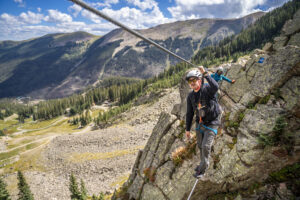
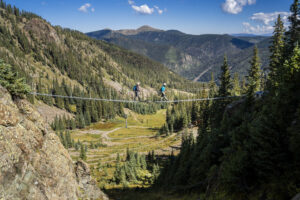
Via ferrata, Italian for “iron way,” refers to climbing routes constructed of steel cables, metal rungs and suspension bridges permanently fixed into rock. These routes originated in the Italian Dolomites during World War I and have long been popular throughout Europe. In the United States, they remain relatively rare, making TSV’s route particularly notable: it ranks among the few routes in the southern Rockies and among the highest in North America.

The routes combine rock climbing and high-mountain hiking, letting beginners safely experience the thrill of moving across steep alpine cliffs while experts find plenty to challenge themselves. Nicole Ponte, a via ferrata guide, calls it a “challenge by choice.” Climbers of all abilities tackle the route at their own pace.

My climbing partner, Greyson, uses advanced techniques while I — a mere beginner whose climbing résumé tops out at ladders and hiking trails — move carefully from rung to rung. Yet we climb together and both experience a sense of accomplishment.

The adrenaline feels real. Step by step, I learn to trust the equipment, from grippy climbing shoes to carabiners and elasticized lanyards that act like shock absorbers. Standing on suspension bridges high above the valley delivers a mix of nerves and awe I hadn’t anticipated. Having skied these slopes before, I see the landscape in a new way — literally at my fingertips and beneath newly learned toeholds.

Most people travel out of state, or even out of the country, to try a via ferrata. In Taos, the adventure sits just a short drive up the mountain. A celebratory lunch (don’t skip the pretzel appetizer) at The Bavarian afterward marks the perfect conclusion to a morning of climbing.

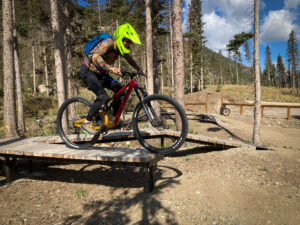
But still the mountain offers more: mountain biking. While many riders head to nearby Angel Fire, TSV quietly offers green, blue and black trails. We start in the ski valley’s free skills park, testing our balance and technique on teeter-totters, elevated tracks and small jumps before heading out on full-suspension bikes, padded helmets in place.

Our guide, James Holmes, helps us warm up before we load our bikes onto the chairlift. Riding a bike where I normally ski feels unexpectedly mischievous. We zigzag through spruce and aspen, lean into berms, feel gravity’s pull and take in the stunning scenery. TSV’s one-way trail system allows us to gather speed and play without worrying about riders coming from the opposite direction. This rare yet intentional luxury makes the rides feel even more liberating.

After a morning of biking, we slow the pace with lunch in the village courtyard, as local legend Jimmy Stadler performs. Later, a massage at the Spa & Wellness Center at The Blake and a dip in the heated pool offer a perfect reset after two days of adventure.

Travelers can also end the day with dinner at 192 at The Blake, where new executive chef Claudio Cavalleri serves a thoughtfully curated menu in the hotel’s open-kitchen restaurant.

Whether you’re a local or a visitor, summertime in the ski valley offers the opportunity to experience a familiar place with fresh eyes and discover that the adventure doesn’t end when winter does. In many ways, it’s just beginning.

For information on pricing and hours for the via ferrata, mountain bike rentals, spa, live music schedules and more, visit skitaos.com.

Andrea Krejci

Finding freedom on the mountain

by Ellen Miller-Goins

When Andrea Krejci talks about skiing, her voice carries the kind of reverence most people reserve for lifelong passions. The Swedish immigrant is animated, friendly and full of joy when talking about her chosen sport — and profession

“I think I started skiing at 2 years old,” she says. “My parents were skiers before me and my brother were born, and then they put us in a ski racing program, on a ski team — I think I was probably about 7 years old. And so that introduced me, of course, to the competitive aspect of skiing. But, I think for my brother as well, who is still also in the ski industry, it must have made such a profound effect on us both, because that was our family connection.”

That deep connection guided Krejci across continents, careers, and disciplines — from the slopes of Stockholm to New Mexico, from alpine racing to freeride coaching. Today, she is one of the few female freeride head coaches in North America, shaping the next generation of skiers through the Taos Winter Sports Team (TWST).

Krejci grew up in Sweden’s capital, but her heart was in the mountains. Skiing with her family each year became a ritual that turned into competitive racing and, ultimately, a life’s path. She came to the United States in 1993 to ski for the University of New Mexico, drawn not only by the team but by the climate.

“I specifically chose New Mexico because I needed sun. I was tired of the cold winters, and I thought, Oh, that’s great that there’s skiing in New Mexico, where there’s so much sunshine.”

She earned her MBA at UNM’s Anderson School of Management but, instead of launching into a conventional business career, decided to spend “just one season” skiing in Taos. “I tried to live in L.A. for one summer — I lasted four months,” she laughs. “It was just too big. I guess I wasn’t done with Taos.”

Discovering Freeride

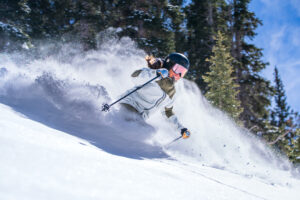
When Krejci arrived fulltime at Taos Ski Valley in 1999, freeride — also called extreme skiing or big mountain — was still a fledgling sport. Unlike racing, with its regimented gates and timed runs, freeriding is all about creativity and flow. Freeride challenges athletes to carve their own line down steep, ungroomed terrain. Style, fluidity, technique and control matter just as much as speed. Natural features — cliffs, chutes, and rock bands — become opportunities for airs and tricks. Krejci’s introduction came through a friend, Erica Cobb, who invited her to a competition in California.

“I had never heard of an Extreme Skiing Competition, so when Erica described to me what this ski competition was all about, I was like,,wow — it’s just skiing down a mountain and finding fun things to do along the way? Awesome! I can do that! I felt like this is what I had been searching for my whole life. Growing up, I loved competing in ski racing, but I was never the fastest. What I missed was the free-skiing aspect,” she says.

She remembers chasing adventure even as a young skier. “We used to go to the Alps every year with my family for ski vacations. I remember building kickers at La Plagne, France with the boys and hitting those, and hiking up a peak in Val d’Isere for “off-piste” skiing. Growing up, of course, there was no such thing as extreme skiing competition. Her first competition in Kirkwood, California, sealed it. “What freeride is all about is the community of riders. The camaraderie that comes with it, which I didn’t find in ski racing. Ski racing is more like the individual versus everybody else. In Freeride you’re all cheering for each other. You support each other to the max.”

Krejci began coaching alpine racing soon after moving to Taos, but a spur-of-the-moment trip with one of TWST’s ski racers to a junior freeride event in Snowbird, Utah, planted the seed for something bigger. Supported by then program director Sean Cassily, and inspired by the enthusiasm of her athletes — and the mountain itself — she launched TWST’s freeride program in 2011.

“We had kids join right away, and we started with maybe 14 kids,” she recalls. “Those early days, I will never forget, because we were going so hard and I was still competing myself so it was a great motivation. We had kids that would show up at 8:45 and we wouldn’t stop skiing until 4:05 because the lift had closed. We just couldn’t get enough.”

The program grew quickly, eventually reaching about 45 athletes and a team of six or seven coaches. It also produced standout skiers such as Emma Patterson, who has gone on to compete in the Freeride World Tour.

Though freeride looks like fearless improvisation, Krejci emphasizes structure and progression. Early in the season, athletes focus on technical drills and learning jumps and other maneuvers in the relative safety of the terrain park or small natural features. As chutes and other terrain opens, the focus shifts to creativity and line choice. “We’re not going to have a kid ski or jump off something that they’re not ready for, so we always start small. It’s all about progression,” she explains.

At Taos, that progression can start early. “Now we (TWST) hike 7-year-olds up the ridge,” Krejci says, describing the way even the youngest athletes are introduced to Taos Ski Valley’s iconic extreme-skiing terrain. “They start incredibly young, and that foundation builds a confidence that carries them through the rest of their skiing.” At TWST, an athlete can join the Freeride team once they turn 10. Before that, the athlete will go through the Devo and/ or Gateway programs, and then make their choice of where they want to put their focus. Ski Racing, competitive Snowboard or Freeride.

Safety and avalanche awareness are woven into training. “We do work with the Taos Ski Patrol and the Taos Avalanche Center, and they come and do avalanche presentations for us — both in a classroom setting — and then we go out and practice on the mountain. All of that is part of our curriculum.”

But beyond podiums and championships, Krejci measures success in personal growth. “When I see an athlete overcome a fear that they might have — like, ‘Oh no, I can’t jump’ — and then they start jumping, even if it’s just a little bump and they leave the ground, that could be a huge success for somebody. So it’s very individual. And that, I think, is what keeps us going as coaches. We see success every day.”

Beyond the Slopes

Like many who carve out a life in mountain towns, Krejci has worn many hats: raft guide, real estate broker, coach. She believes the variety has shaped her resilience. “It makes you be prepared for anything,” she says. “Like within rafting, you never know when you’re gonna bump into a rock and somebody’s gonna fall out or a wave is gonna knock you over. Coaching, too. You never know what’s gonna happen out there. Real estate, you never know what’s gonna get thrown your way.”

These days she splits her time between Taos, coaching and selling real estate, and Santa Fe where she’s dabbling in real estate as well, and where her life partner Brian Freshman operates Freshie’s Juices on the Santa Fe plaza.

Krejci is keenly aware of her role as a trailblazer in what has long been a male-dominated sport. Her advice for young women? “Don’t let it stop you if there’s only boys, or if you’re only one of a few girls. Latch on to the boys. That’s what I did. You can do anything they can, and they’ll be in awe!”

She also points to initiatives like Rippin’ Ladies, a grassroots program building community among freeride girls and women across the country. “What’s happening now within the freeride community and especially the girls is spectacular,” she says. “The young girls right now are just as good as the boys. It’s amazing! They’re pushing each other.”

Looking back on her decades in Taos, Krejci is grateful for the journey. “Just go after what you like to do,” she says simply. That philosophy carried her from a 7-year-old racer in Sweden to one of the leading freeride coaches in North America — and helped shape a thriving community of athletes who share her passion for the mountains.

For Krejci, life is less about standing still than carving a fresh line through whatever terrain lies ahead. “Taos is such a good mountain. The mountain just lends itself to freeride.”

TWST Freeride at a Glance

  • Founded: 2011, by Andrea Krejci
  • Athletes: 45 skiers, ages 10 to 18
  • Coaches: 6–7 dedicated staff members
  • Season: Weekends from late November through early April, plus holiday camps
  • Focus: Technical drills, freeride progression, avalanche awareness, and competition prep
  • Notable Alumni: Emma Patterson, Freeride World Tour competitor, professional skier for Salomon.

Pizza to parallel

Lessons from the nation’s top ski school

By Blynn Beltran

In November, a USA Today 10Best reader’s choice contest named the Ernie Blake Snowsports School at Taos Ski Valley the best place to learn how to ski and snowboard. The article mentioned its full- and half-day lessons, themed ski weeks and childcare options for “adults who want to take a lesson without any little ones.”

BLYNN BELTRAN/Taos News
Ernie Blake Snowsports veteran instructor Orlando Torres at the start of his lesson at the base of Taos Ski Valley. Torres has been an instructor for the school since 2008.

But the recognition stopped short of explaining why this school stands above the rest. To find out, I — someone who had never skied or snowboarded — signed up for a three-day lesson and experienced the program first-hand.

Like Riding a Bike?

Before your first lesson, gear is essential: a weatherproof jacket, snow pants, wool socks, goggles, gloves, sunscreen and, most importantly, a helmet. Don’t be like me — I forgot mine. With the added chill of higher elevations, I would also recommend a thermal base layer to stay warm.

Skeptical and nervous, I went in assuming skiing would be both dangerous and difficult. One of those fears, I soon learned, was justified.

Day one started with rentals at Taos Sports, where boots and skis are fitted free of charge. (Tip: if you keep your boots overnight, store them near (but not on) a heat source so they don’t shrink and torture your ankles. If you forget, the techs will happily swap them out.)

BLYNN BELTRAN/Taos News
The start of the Ernie Blake Snowsports School’s lesson at the base of Lift 1.

I met my instructor, Orlando Torres, at the first lift along with four classmates. A Taos native who has taught here nearly two decades, Torres knows the mountain inside and out. He has worked with everyone from kids to adults, tailoring lessons to everyone’s skill level. Along with ski basics, he also wove in the history of the resort, which began in the 1950s when World War II veteran Ernie Blake transformed an old gold mine into a ski destination.

That first day focused on fundamentals: moving our feet, learning the lifts, and mastering the “pizza” wedge — the most basic way to stop on skis. My body wasn’t used to the techniques, and I fell four times. By evening, I debated quitting. But Torres encouraged us to give ourselves credit — these movements were foreign, and progress would come turn by turn. His words motivated me to come back determined to improve.

Learning the Basics

On day two, Torres pointed out a skier speeding recklessly down the bunny slope before plowing into a snowbank. Nobody was hurt, but he used it as a teachable moment: if the man had taken lessons, he wouldn’t have endangered himself or others.

BLYNN BELTRAN/Taos News
The end of the second zipper lift

In our class, Amanda Deng, a 25-year-old product manager from New York, made noticeable progress.

“I definitely improved way more than I thought I would,” Deng said. “I took a two-day lesson and started as a novice. Now I feel confident skiing the green trails and keeping up with my friends.”

Her boyfriend, Chris Hoang, a PhD student and experienced snowboarder, was equally impressed. “She’s a lot better,” he said. “Before, she didn’t have much control. Now she knows how to slow down, keep the wedge and stay in control. She’s ready for the greens.”

Pizza to Parallel

By Monday morning, I could turn left and right, stop on command and make subtle adjustments for smoother runs. Torres decided we were ready for White Feather, a beginner/intermediate trail.

BLYNN BELTRAN/Taos News
Ernie Blake School instructor Orlando Torres during a lesson near the end of the second zipper lift at the Taos Ski Valley

Riding Lift 1 felt like facing the final boss of a video game. I’m afraid of heights, and the cliffs below unnerved me. I even crashed after unloading. But once I focused, everything came together. My skis obeyed, my turns felt deliberate, and my fear began to fade.

By the time I reached the bottom, Torres and my classmate couldn’t believe my progress — and neither could I. In three days, I had gone from reluctant novice to eager beginner, conquering falls, fear and self-doubt along the way.

Behind the Scenes

After my lesson, I spoke with Burt Skall, director of the Ernie Blake Snowsports School. A Taos resident for more than a decade, Skall has been teaching skiing since 1977.

“As far as training goes, we have a very extensive program,” Skall said. “We’ve brought in Olympic gold medalist Deb Armstrong to work with our staff, and our technical director Alain Veth — who used to be a technician for World Cup racers — teaches biomechanics and movement analysis. It’s not only about ski skills but also understanding how bodies move.”

LYNN BELTRAN/Taos News
The heart of the Taos Ski Valley as seen in front of Taos Sports.

Equally important are communication skills. “Nobody wants to feel like they’re asking a stupid question,” Skall said. “But once students get past that fear, they see we’re welcoming and focused on getting them moving with confidence.”

Torres agreed. “I love watching people make their first turn — it’s liberating,” he said. “I get as much joy from seeing that as I do from skiing my favorite powder run. Sharing that excitement with students is the best part.”

Takeaway

By the end of my three days, I realized what makes the Ernie Blake Snowsports School exceptional. It’s not just the technical training or decades of experience — it’s the patience, encouragement and genuine passion of the instructors.

BLYNN BELTRAN/Taos News
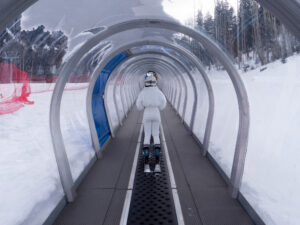
Inside the beginner zipper lift in cased glass. The enclosure is designed to keep the snow off the lift and creates a greenhouse effect to keep the people inside warmer.

Taos Ski Valley worked its magic on me, and I can’t wait to return to the mountains.

For more information, visit skitaos.com/snowsports-lessons.

Beyond the Slopes

11 Unforgettable Winter Adventures in Northern New Mexico

By Haven Lindsey

Taos may be best known for its world-class downhill skiing, but there’s a whole world of winter fun beyond the slopes. From serene snowshoe treks to the thrill of snowmobiling, ice skating, and even ski biking, the region offers countless ways to embrace the season.

Whether you’re chasing adrenaline or searching for quiet moments in nature, here are 11 adventures that showcase Northern New Mexico’s winter magic.

1. Cross-country ski through groomed and open trails | Locations: Red River, Angel Fire

For those who love the rhythm of gliding through snow-covered landscapes, cross-country skiing is a perfect way to explore Northern New Mexico’s winter scenery at a more relaxed pace. For the more adventurous, myriad trails wind through the Carson National Forest, offering sweeping views of mountains, forests, and quiet valleys.

2. Snowshoe through quiet forest trails | Location: Taos, Taos Ski Valley, Eagle Nest

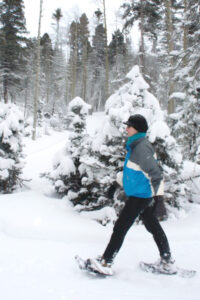
Strap on snowshoes and explore the tranquil beauty of the Carson National Forest. Trails like Gavilan, Italianos, and Yerba Canyon near Taos Ski Valley, Columbine Canyon between Questa and Red River and Amole Canyon near Taos offer serene winter landscapes perfect for a peaceful hike.

3. Glide across the ice | Taos Ski Valley & Town of Taos

Lace up your skates at the Eis Haus rink in Taos Ski Valley, where mountain views and cozy fireplaces set the scene. In town, the Taos Youth and Family Center rink is reopening after major repairs, offering public skate sessions, hockey, and figure skating. Both rinks are local favorites, where families and visitors alike can enjoy crisp winter air and smooth ice.

4. Revel in snow tubing & sledding fun | Angel Fire, Red River & Taos Ski Valley

Snow tubing brings out the kid in everyone. Angel Fire Resort features a six-lane tubing hill with lift service, while Red River’s ski area offers lively evening tubing sessions. At Taos Ski Valley’s Strawberry Hill Tubing Park, a moving carpet makes repeat runs easy. For DIY fun, locals head to Mallette Park or the Red River Nature Trail for classic sledding thrills.

5. Embark on a snowmobile adventure | Taos Ski Valley & Red River

Few things rival the exhilaration of a snowmobile ride. At Taos Ski Valley, “Big Al” Johnson’s AA Wilderness Adventures takes guests up peaks and ridgelines for scenic two-hour tours. Red River also caters to snowmobilers, with groomed trails into Trail Canyon, Greenie Peak and Midnight Meadows.

6. Try ski biking at Sipapu | Location: Sipapu

Combine the thrill of cycling with the fun of snow at rider-friendly Sipapu, which has welcomed ski bikes since the 1960s. Expect affordable tickets and easy loading on its fixed?grip lifts — great for first-timers and families. Rentals are available on site. In the Moreno Valley, ski bike rentals are offered at Eagle Nest Marina (Angel Fire welcomes ski bikes with a few caveats).

7. Ice climb frozen waterfalls | Near Questa

In winter, the canyons around Questa transform into an ice climber’s playground. Frozen waterfalls and sheer cliffs offer demanding routes best suited to seasoned adventurers with the proper gear. Mountain Skills Rock Guides does not guide ice climbs but they do offer rock climbing and backcountry ski trips in the Taos area.

8. Soak in natural hot springs | Near Taos

There’s nothing like slipping into warm mineral water while snow falls around you. Rustic pools like Black Rock and Manby Hot Springs, tucked along the Rio Grande, bubble at 80–101 degrees and provide a back-to-nature soak. For a more refined experience, Ojo Caliente Mineral Springs Resort offers historic pools, spa treatments and lodging just under an hour from Taos.

9. Hike the Gorge in winter light | Taos

The Rio Grande Gorge reveals a rare tranquility in winter, when snow highlights the canyon’s dramatic cliffs and the air is crystal clear. Trails around the Gorge Bridge and Wild Rivers Recreation Area offer sweeping views of the river far below, framed by snow-dusted mesas. With fewer visitors, it’s a peaceful way to enjoy the stark beauty of our high-desert landscape.

10. Explore Taos’ artsy side | Taos

Discover the vibrant arts scene in Taos, by visiting numerous galleries and museums, and cozy cafés serving warm libations like hot chocolate, mulled cider, and hot toddies. Stroll Ledoux Street’s historic galleries, or step into storied museums like the Harwood, Millicent Rogers and Couse-Sharp House. Many venues host special exhibits and openings through the colder months, pairing art with warm conversation.

11. Celebrate with a torchlight parade | Taos Ski Valley, Red River & Angel Fire

Few traditions capture mountain magic like a torchlight parade. On New Years Eve and other special occasions, the community comes together for magical torchlight parades and fireworks at Enchanted Circle ski areas, where skiers light up the slopes in a dazzling display. It’s a festive way to embrace the winter season.

After a day of snowshoeing, tubing, or cross-country skiing, nothing feels better than a bit of self-care. Soothe tired muscles with a massage at The Spa & Wellness Center at The Blake in Taos Ski Valley, indulge in holistic treatments at The Living Spa at El Monte Sagrado, or try the centuries-old technique of hot stone therapy at Taos Rocks. Wellness retreats and spas across Taos make it easy to recharge for your next adventure. And if you’re still undecided, visit Taos.org for an extensive guide to winter activities, events, and experiences throughout the region.

Can’t decide? Taos.org is the official tourism site for the area and offers an extensive guide to winter activities across the region. It features information on snowshoeing, snowmobiling, wildlife viewing, sleigh rides, ice fishing, ice skating and other wintertime activities available at various locations.

Outfitters & Trails

Angel Fire Nordic Center – 12 km groomed trails (XC and snowshoeing), rentals, lift access. angelfireresort.com, 575-377-4488

Enchanted Forest Cross Country Ski Area (Red River) – 30 km ski trails, 15 km snowshoe trails, dog loops, yurts, lessons and guided snowshoe tours. Info: 575-754-6112; enchantedforestxc.com

Heritage Inspirations (Amole Canyon, Peñasco) – Guided snowshoe tours with gourmet picnics. Info: 575-737-9827; heritageinspirations.com

Mountain Skills Rock Guides (Taos Ski Valley) – Backcountry ski clinics and guided tours. Info: 575-776-2222; climbingschoolusa.com

Taos Snowshoe Adventures – Half-day, full-day, full moon, and yurt trips. Info: 1-888-895-5262; snowshoetaos.com

Big Al’s Wilderness Adventures — Two-hour tours above Taos Ski Valley. Info: 575-751-6051; aataosskivalleywildernessadventures.com


Tips for the ‘Weekend Warrior’

Strategies to sharpen skills and rediscover the joy of skiing.

By Michael & Carolynne Chandler

If you’ve spent any time in ski towns, you know the type. The Weekend Warrior buys their season pass early, keeps their gear sharp, and hits the slopes at every chance. They love skiing, crave it, and dream about powder days while stuck at work. But by New Year’s, frustration sets in. No matter how many weekend runs they squeeze in, they can’t seem to get better.

They’re stuck.

It’s not for lack of passion — it’s lack of time. Skiing, like anything else, requires focused practice. And when you only get a few precious days on snow each month, it’s tempting to skip drills and just chase fun laps. For the Weekend Warrior who longs to ski smoother, faster, or more confidently, it’s easy to feel like you’re always striving but never progressing. The good news? A few small adjustments — before, during, and after ski days — can help you break through that plateau.

Preseason Warm-Up: Move Before You Groove

Whether you’re a local hoping this is the year you finally conquer Al’s Run or a visitor preparing for your first New Mexican ski trip, the best preparation happens off the mountain.

Start by getting active. Most resorts in Northern New Mexico sit above 8,000 feet, so your lungs and legs will thank you if you arrive with a little fitness. You don’t need a marathon training plan — brisk dog walks, spin classes, or pickup basketball a few times a week build solid endurance.

Mobility and balance are just as important. Air squats (20 a day, working toward 50 or more) wake up the ankles, knees, and hips. A balance board mimics the constant micro-adjustments your feet make on snow.

Gear Check: The Right Tools for the Job

Here’s a pro tip: those skis from the ’90s in your garage? Keep them as retro wall art. Modern ski technology has advanced tremendously, and outdated gear only slows progress.

If you ski occasionally, renting is the best option. Rent from a mountain shop so you can swap gear if the fit isn’t right or conditions change. Intermediates may want to spring for demo skis — the upgrade fee is worth the added performance.

Better boots = better skiing.

Most importantly, dial in your boots. A snug, supportive fit is the foundation of control and comfort. When renting, tell the shop about your feet. If you own boots, consider custom footbeds or aftermarket liners.

First Day Intentions: Warm Up Wisely

Day one is often a mix of excitement and nerves. Instead of chasing your cousin Ralph down the steepest black diamond, start with a warm-up run. Use that first hour to check your balance, ease into the rhythm, and reconnect with how skiing feels.

Think of it as setting the tone for the trip. By easing in, you’ll build confidence instead of burning out.

Level Up: Lessons and Tech

If you’re serious about improving, don’t skip ski school. Even experienced skiers develop habits that hold them back, and a good instructor will spot them instantly. Locals benefit from an occasional refresher; visitors get more from a short trip by starting with a lesson.

Love data? Try “Carv” — a digital ski coach that slips into your boots and gives real-time feedback through your phone. It’s like having a coach in your pocket.

Safety First: No ‘One Last Run’

It’s ski-town wisdom for a reason: never take “one last run.” Most injuries happen late in the day when legs are tired and focus is fading. End on a strong, safe note.

Other essentials: helmets (everyone, no excuses), hydration (altitude sneaks up on you), and sunscreen (yes, even in winter — the New Mexico sun is fierce).

Skiing as Joy

At its heart, skiing isn’t just about technique or progress. It’s about joy — the thrill of sliding down a snowy mountainside, the camaraderie of sharing a chairlift with friends, the beauty of Sangre de Cristo peaks bathed in winter sun.

So if you’re feeling stuck or worried about keeping up, remember this: skiing is meant to be fun. Improvement comes with focus, but the real reward is simply being out there.

About the Authors:

Michael Chandler is a third-generation ski instructor who began his career in 1979 and brought his passion for teaching from New Hampshire to Colorado and, ultimately, to Taos Ski Valley. After more than two decades instructing at Taos, Michael now shares his insights through writing and the integration of AI into ski coaching. Together with Carolynne, his partner both on and off the slopes, he has explored ski destinations worldwide and co-authored “Skiers Manifesto.” Carolynne is also the founder of Energy Rocks™, a functional candy supplement for athletes, reflecting their shared commitment to performance and innovation.

Stay safe this winter

Preparedness san save your life in the high country

By Cindy Brown

Winter in Taos sparkles with powdery snow and brilliant blue-sky days. The mesas and mountains invite you outdoors to backcountry ski, snowshoe, or hike. But clear mornings can quickly shift to stormy, bone-chilling afternoons.

BLYNN BELTRAN/Taos News
The Taos Search and Rescue team in the early parts of the hike to search the “missing” mushroom hunter during February 2025 training.

Last winter, several high-profile rescues near Taos Ski