Late afternoon sunlight filters through the windowpanes in Eliza Gilkyson’s century-old home near Taos, New Mexico. Her husband, Robert “Bob” Jensen, greets me at the door as the warmth from the woodstove envelops me.
Eliza Gilkyson performs at Michael Hearne’s 22nd Annual Big Barn Dance Music Festival in Kit Carson Park on Wednesday (Sept. 4). DANIEL PEARSON/Taos News
Gilkyson, the twice Grammy-nominated folksinger, enters the room wearing black, the dark fabric accentuating her cropped gray hair and bright, knowing eyes. There’s a quiet aura of peace and contentment around her. As we settle into her cozy living room — its walls adorned with colorful New Mexican tapestries and Buddhist thangkas — I become even more aware of her sense of ease. It feels like the quiet wisdom of a life led with intention.
I’m here to talk with Gilkyson about her new album, “Dark Ages.” At 74, she’s lived through other dark times and moments of rebellion. The album is filled with songs that guide today’s listeners through the political and environmental upheaval of our current reality in 2025. But it also reflects who Gilkyson is — deeply caring, with a profound love for the planet, humanity and the people in her life.
Nathan Burton/Taos News Musician Eliza Gilkyson stands for portrait at her home in Arroyo Seco.
She’s a person with decades of lived experience and a seasoned musician who understands the difference between a powerful lyric and a powerful crescendo. Not everyone can see the shadows of political unrest and the climate crisis clearly without being consumed by the darkness. Gilkyson has found a balance, much like the way the moon casts its light on the Sangre de Cristo Mountains that rise above her home: It’s not a blinding flood of light, but a soft, steady presence.
There is simple acuity to Gilkyson, but that doesn’t mean life is simpler now.
“When I was a hippie, living gig to gig, two keys on my keychain — that was a simpler life,” she explains. “Having kids changed some of that, but even then, it was simpler than now. Back then, we had a feeling we had a future. But now, the life of our planet is threatened. We’ve come through dark times — worse than this — but we’ve never seen a climate crisis like this before.”
“Dark Ages” captures both Gilkyson’s self-described “apoplectic” mindset and the love and peace she embodies.
“My job is to make sure people continue to care,” she says of the songs on her new album. “I don’t want to live in a world where people don’t care.”
Music, she says, keeps her young.
“I full-on care, but you can’t live in a state of constant grief. We don’t know what’s coming, but I will continue to show up as a sentient being.” She describes being “gob smacked” that people voted for Project 2025. “The songs started coming out after the election, and one of them was a song I wrote more than 50 years ago. It has an innocence to it.”
The album begins, as she describes, “from a place of light,” with “Song to You” — soft, sincere and serene. The song feels like a hug. The album guides the listener through emotions that are ripe and raw now.
“Holy” is her favorite song on the album.
“There are people who rise up, who fight, and they are holy to me,” she reflects.
“Dark Ages” is, as she describes, “a scathing takedown of the current regime,” as we both note how common the word “regime” has become. “Dark Night of the Soul” is upbeat. “The song helps put things in perspective — we need to keep the lights on through the dark night of the soul.”
“Stranger” is a song about her husband of 20 years. “It’s a love song but not presumptuous. It’s personal, about the truth of not really knowing someone completely.” The album culminates with “Esta Salida del Sol,” a simple song, Gilkyson notes, “because I can only write Spanish in the present tense.”
Like the final song on an album, our conversation didn’t feel like it was ending, but rather something that lingers, waiting to be played again. The aroma of dinner on the stove, however, began to weave its way into the living room. Bob is the cook in the family, and his signature rice and greens dish, borrowed from his late friend Jim Koplin, was nearly ready. One taste, and I was an instant believer.
Later, I realized I never asked Gilkyson — who deeply feels the weight of our world — what success means to her. But as I thought about her work as a musician, her role as a wife and life partner, a mother and grandmother, I realized she had already answered the question. Gilkyson knows what success is. She’s living it.
FYI
Gilkyson joins Andrea Magee’s annual She Rises III Music Fest July 18–19 at Daleee at, 9 NM150, Taos. For more information, tickets and to join the email list, visit sherisesfest.com.
New Mexican cookbook gathers well-loved traditions
By Amy Boaz
“When cooking New Mexican food,” cautiously presents the compiler of these recipes, “not only do you want a particular dish, but often you want the dish as it was prepared by your mother, grandmother or uncle.” Art Pollard’s cookbook is rather a compendium of recipes gathered from beloved cookbooks over the ages and the long memories of abuelas. It serves as a fantastic historical document.
Having grown up “in part” in Los Alamos, now residing in Utah (he runs the Amano Artisan Chocolate company), Pollard’s earliest memories are savoring meals at Philomena’s in Los Alamos and Río Grande Café in Española. Hankering for his childhood comfort food, Pollard has culled from a dozen well-worn cookbooks over the last decades and grouped hundreds of recipes by kinds of vegetables, salads, appetizers, dips, breakfast offerings, soups and stews, main dishes (e.g., meat-heavy flautas), salsas, breads and desserts, among others.
The cookbook sources (listed in the bibliography at the back) move from the earliest, classic Alice Stevens’ “New Mexican Cookery” (New Mexico Land Office, 1916) to former Taos News Food Editor Fayne Lutz’s “Cooking Northern New Mexico Traditional Foods” (Taos News, 1989). Lutz also documented recipes from the Taos Plaza mainstay La Cocina de Taos (closed in 1991) in her “Recipes for Authentic Northern New Mexico Food from La Cocina de Taos” (1976). Other sources include books from legendary restaurant owners and chefs like Philomena Romero, J.C. Griggs (“A Family Affair,” 1968), Della Montoya, Dona Eloise Delgado de Stewart and Fabiola Cebeza de Baca Gilbert (“Historic Cookery,” 1931).
‘Enchantment: A New Mexican Cookbook’ Compiled by Art Pollard
Let’s dig in. What do New Mexicans eat? “Enchiladas” cover a good 13 pages, divided into green chile and red sections, and offering wildly different sauce styles, with a preponderance of canned cream of mushroom or chicken soup (“Green Chile Recipe Fiesta,” New Mexico State Alumni Association, 1973). Chicken, beef, meatloaf, liver, tongue, goat, venison and veal — all à la New Mexican. How about spicy beef with nectarines (“Finalist”) from the “Great Southwest Cooking Classic” (1977)? Or nine different versions of arroz con pollo?
There are only a couple moles, one from the “Fiesta Fare” cookbook (1956), featuring raisins, pumpkin seeds and Mexican chocolate. However, under the heading “Sauces,” we move from chile caribe to BBQ sauces to chile sauces from everyone’s mother: I would try each one for variety. Also, the 33 ways to make chile rellenos! Numerous tamale tips and savory chile pies abound, and how about that dazzling Chilizza Pie (sautéed peppers and pepperoni, stewed tomatoes and Parmesan), created by Mrs. Barney Gardner of Albuquerque in “Great Southwest Cooking Classic”?
“Breads” cover a vast swath of yeasty delights, such as empanaditas, biscuits, buñuelos, fritters, sopaipillas and fry bread. For the last item, Mrs. Pappan, “cherished cook at the Albuquerque Indian School,” and of Pawnee heritage, offers her Navajo fried bread from “Fiesta Fare.” Everything corn dominates the bread section, naturally, boasting a dozen kinds of cornbread and tortillas (also blue corn). Varieties of biscochitos mark the “Desserts” section, crammed with other beloved concoctions that carry their luscious original Spanish names: almendrado (nutty almond), capirotada (bread pudding), sopa de borracho (you can guess), chongos (custards), jericalla (like a flan), natillas (boiled custard), panocha (sprouted wheat pudding) and marquesote (sponge cake), among many others. There’s even a “Pickled” chapter to keep us weeping.
Charmingly, if somewhat frustratingly, the recipes are not edited for consistency or currentness. For example, Chile Verde Tomas is still gunning for an addition of “2 tablespoons monosodium glutamate” (“Green Chile Recipe Fiesta,” 1973). But these recipes are precious throwbacks to Nana’s kitchen, and who can resist trying John Sena’s Balloon Rally Posole or even — gulp — Bowl of the Wife of Kit Carson?
Standing on the front porch of the cabin in Tres Piedras, looking out across the mesa to the blue mountains in the east, it’s clear some things have changed since pioneering conservationist Aldo Leopold lived there during his time as forest supervisor.
Electricity lines hum quietly, strung high over a pair of propane tanks. Cars whirr down U.S. 285 through a sagebrush landscape dotted with buildings.
But still, some things remain unchanged: The ponderosas bend in an oncoming storm. Grazing permits are sometimes still as contentious as when Leopold himself first implemented them.
Mi Casita maintains its craftsman-style bones and original wood, processed by Aldo Leopold and Walt Perry in 1912, but has been updated for some 21st century comforts, including electricity, heating, a full bathroom and a fully equipped kitchen, including a coffee maker.
This spring, the Carson National Forest opened the Aldo Leopold House in Tres Piedras for public rentals, marking the first such cabin rental on National Forest land in New Mexico. Previously reserved for writers-in-residence through the Leopold Writing Program, the house now welcomes up to eight overnight guests.
Leopold, a pioneering conservationist and author of “A Sand County Almanac,” is considered the father of American wilderness. During his tenure as a forest supervisor, he lived briefly in Tres Piedras, where he began formulating his influential land ethic philosophy. His efforts helped establish the Gila Wilderness, the nation’s first designated wilderness, which celebrated its centennial in 2024.
Built in 1912 by Leopold and fellow ranger Walter Perry, the two-story craftsman bungalow was funded by the Forest Service and served as Leopold’s residence with his wife, Estella. Named “Mi Casita,” the house features dark walnut-stained beams, a basalt rock fireplace, and a historic farmhouse kitchen. The surrounding property includes a root cellar, barn, old ranger station, and corral.
Though Leopold lived in the cabin for only nine months, his time there was significant.
He arrived in 1912 from Arizona’s Apache-Sitgreaves National Forest, where he had a pivotal encounter with a dying wolf he shot that reshaped his views on predators’ roles in ecosystems. These experiences influenced his foundational “land ethic,” a principle that emphasized seeing nature as a community rather than a resource for human exploitation.
These ideas that would become Leopold’s legacy began percolating in Northern New Mexico.
“When he landed on the Carson, those things really started to hatch,” said Angie Krall, district ranger for Carson National Forest West Zone.
Richard Rubin, longtime site steward and author of “Living the Leopolds’ Mi Casita Ecology,” speaks to the history of Mi Casita, pictured, on Sunday (Jan. 12).
Leopold’s legacy is complex. While he championed conservation, he also implemented policies that restricted land access — to the detriment of Hispano and Indigenous communities.
“For local populations, he wasn’t necessarily a hero,” Krall said. “He represented a major shift in land management in New Mexico.”
Leopold left Mi Casita in 1913 after falling ill while resolving a grazing dispute. He later worked in Albuquerque, founding the Office of Grazing and the Albuquerque Wildlife Federation. His career eventually took him to Wisconsin, where he wrote extensively and helped establish the American wilderness system. Today, over 111 million acres of federal land, including 1.9 million in New Mexico, are protected as wilderness.
Richard and Annette Rubin, longtime stewards of Mi Casita, speak about the cabin’s history on its front porch, sitting on a bench Aldo Leopold designed. When Leopold lived in Wisconsin, Richard said, “He would put out the Leopold bench and he was out there, writing with his pipe at 4 in the morning, listening to the birds.”
Mi Casita has undergone multiple restorations. A 2005 plan aimed to preserve its historic integrity while introducing modern amenities. Recent renovations, funded by the Bipartisan Infrastructure Law, included a new cedar-shingle roof, septic system upgrades, and chimney repairs. The cabin now features electricity, heating, and a fully equipped kitchen and bathroom, making it one of the most comfortable rentals on Rec.gov.
The house also serves as an educational space. An extensive library features works by Leopold and other conservationists. Guests are encouraged to engage with the landscape and reflect on their own land ethic.
The nearly 150-book library at Mi Casita, pictured beside the basalt-rock fireplace Sunday (Jan. 12), houses inspirational reads: Leopold’s writings, likeminded books and the works of authors who used their residency with the Leopold Writing Program at the cabin to develop land ethic-based works.
Rentals, available spring through fall, cost $175 per night, with proceeds funding site maintenance and educational projects. Two months each year will remain reserved for the Leopold Writing Program’s residents. Future plans include interpretive trails and accessibility improvements.
As storms continue settle and pass over the Sangre de Cristos, visible across the mesa, the house remains a testament to Leopold’s legacy.
“He just loved the view from the porch,” said Annette Rubin, longtime site steward.
When the St. James Hotel in Cimarron shuttered last fall, the future appeared uncertain for one of the most storied lodges of the Old West era.
Thea Maestas, front desk manager, walks down the hall Tuesday past guest rooms on the second floor of the St. James Hotel in Cimarron, originally built in 1872. The landmark hotel on the Santa Fe Trail was a stomping ground for such Wild West icons as Wyatt Earp, Jesse James, Buffalo Bill Cody, Clay Allison, Black Jack Ketchum and Billy the Kid. Gabriela Campos/The New Mexican
By winter, however, the hotel had reopened under two new owners: Red River-based father-daughter duo Chad and Alyse Mantz, CEO and director of operations, respectively, for M Vacation Properties & Resorts, a rental and property management company with multiple properties in Taos and Red River.
The historic St. James Hotel in Cimmaron seen in 2023. The hotel, which was built in 1972 along the old Santa Fe Trail and originally known as Lambert’s Saloon, is set to close Sept. 17. Gabriela Campos/The New Mexican
“For me, the St. James is a beautiful part of history,” Alyse says. “I was so excited to have the opportunity to keep it going and make sure it’s preserved. I’m a little bit of a history nerd, so this has been awesome.”
Between its rugged antiques, ghostly reputation and 26 bullet holes in the bar’s tin ceiling, the St. James Hotel has been part of Cimarron’s heritage for more than a century. The hotel was built in 1872 by Henri “Henry” Lambert, a former personal chef of President Abraham Lincoln, during the heyday of the Santa Fe Trail.
A collection of paintings of various Wild West icons hang at the historic St. James Hotel in Cimarron. Gabriela Campos/The New Mexican
The 24 hotel rooms are named for the famous lawmen, outlaws and sharpshooters who stayed there: Buffalo Bill Cody, Doc Holliday, Annie Oakley, Wyatt Earp, Jessie James, Clay Allison, Black Jack Ketchum, and Billy the Kid, to name a few.
The hotel closed Sept. 16 after it was announced that Bob Funk, the hotel’s owner since 2009, would be retiring due to health reasons.
“It was different from any kind of transaction I’ve had before because the Funk family is very passionate about this,” Chad says. “They wanted to make sure that it was being passed on to someone who would maintain the rich Western history ….”
Cimarron and the hotel were a well-trodden stop on the Santa Fe Trail for travelers. More recently, the nearby Philmont Boy Scout Ranch today brings thousands of visitors to the area each summer, many celebrating at the St. James Hotel after their treks.
The historic St. James Hotel in Cimarron is now up for sale “for interested buyers who are committed to preserving its unique legacy,” according to a statement from Jennifer Callahan of the Oklahoma law firm McAfee & Taft, which represents hotel owner Bob Funk. Gabriela Campos/The New Mexican
Near Halloween, the hotel sees upticks in visitors seeking paranormal experiences.
“You can take a tour down the hallways and the things that happened in this place are amazing,” Chad said of their interest in the hotel’s history. “There’s still bullet holes in the ceiling of the saloon, so just the history of it is crazy.”
Having had the good fortune to have seen the transformation of the old Indian Hills Motel, which had fallen into a state of seedy disrepair, into the chic mid-century modern boutique hotel named for Willa Cather, whose seminal novel “Death Comes to the Archbishop” was completed in Taos, I am pleased to report visitors to Taos are in for a treat in more ways than one.
Casetta, Italian for “little house,” the hospitality management and branding group behind the transformation, was founded by boutique hotel lovers excited by the challenge of giving storied, retro properties new life. Their hotels are architecturally significant, usually historic and frequently hidden gems.
Taking into account into each lodging’s history, Casetta makes a point of honoring the past while designing for the future — collaborating with their partners and artists to design spaces that respect local vernacular and style.
Casetta aims to create serene and healthy environments, leaning into sustainable products and services whenever possible. Their Taos property is no exception.
Hotel Willa is located at the gateway to the Taos Historic District and is the perfect place to start a high desert adventure. Staying true to the ethos of the town — living art colony meets the great outdoors — Hotel Willa invites you to “laze beneath a shady willow tree with a backdrop of creamy stucco walls while watching the sun set over the ink blue mountains,” as their website reads. “Feel the warmth of the light and the winding journey to your destination: Taos. With its pastures and plains, expansive as the creative minds rooted here, visitors will find calm in the space between the mystery and magic that give Taos its enigmatic appeal.”
Inside the newly renovated facade that faces arguably the busiest intersection on Paseo, 50 mindfully appointed guest rooms await an influx of visitors. The common spaces include a stunning bar and restaurant with soaring ceilings and repurposed vigas and corbels. Local architect Doug Patterson brought his know-how and high desert sensibility to the bones of the building.
The restaurant Juliette, led by renowned husband and wife duo chef Johnny Ortiz-Concha and Maida Branch, offers a seasonal menu with local ingredients, including produce from an on-site edible garden.
A huge gallery and art space curated by The Paseo Project’s J. Matthew Thomas includes a gift shop off the lobby and will showcase an ongoing rotation of cutting-edge Taos artists as well as host related events.
A central courtyard conceals a pool house and swimming pool, steam room and sauna, with local and visitor memberships.
In the Land of Enchantment, there are endless possibilities for experiencing the area’s dramatic beauty. A hike or bike ride can become a memorable experience if you’re lucky enough to see a majestic big horn sheep or a herd of elk running across the landscape, or catch the glow of the setting sun lighting up the mountain peaks. Here are some suggestions for favorite summer outdoor adventures on the land.
Hiking
Taos is surrounded by a variety of climate zones, each offering unique views and experiences. Trails to the west of Taos near the Rio Grande cross the desert and grasslands zone and travel along the rim of the river gorge or down to the river itself.
A favorite desert hike is the Big Arsenic Trail in the Wild Rivers Recreation Area of the Rio Grande del Norte National Monument north of Taos. This trail descends about 1 mile from the rim of the gorge down to the Rio Grande and reaches Big Arsenic Spring. Just beyond the spring, look for ancient rock carvings known as petroglyphs.
East of Taos, high altitude trails pass through fields of wildflowers and follow cold mountain streams. A popular summer hike is the Bull-of-the-Woods/Wheeler Peak Trail up 1 mile to Long Canyon, then through the canyon along a stream. Bubbling springs cross the trail, creating a perfect environment for columbine and other wildflowers. Those who are acclimated to higher elevations can continue upward to the summit of Gold Hill at 12,700 feet with its dramatic views to Taos Ski Valley and beyond.
Trail running
All the trails around Taos are also great running destinations. A local group, Taos Trail Runners, organizes regularly runs.
“Whether you’re looking for a scenic jog or an all-day adventure run, Taos has trails for you,” member Brook Eberle says. “The landscape is diverse — you can run through sagebrush and piñon forests with views of the Rio Grande Gorge or climb into aspen groves in the heart of the Sangre de Cristo Mountains. Taos offers a variety of trails, from gradual and wide, like Trail 18, to steep single track, like Gavilan Canyon.
“What makes Taos trails special is the solitude and vastness of our public lands, including the Carson National Forest, Columbine-Hondo Wilderness and the Rio Grande del Norte National Monument,” she says.
Eberle said the Horsethief Mesa trail system north of town is a Taos Trail Runners favorite.
These trails and the new trailhead off NM 522 are examples of collaboration between the Taos community, Enchanted Circle Trails Association, the Forest Service and the Bureau of Land Management.
To learn more about weekly group runs, trail maintenance events and trail information, follow @TaosTrailRunners on Instagram or visit taostrailrunners.com.
Mountain biking
Much of the public land around Taos is open to mountain biking. To find a group of like-minded riders, check out the Taos Mountain Bike Association, which has 120 members of all ages and organizes weekly trail rides. High altitude trails go through the forest, while desert trails offer wide open views. There are bike parks at Taos Ski Valley and Angel Fire, too.
Leonidas Licea whips around a berm during the advanced boys enduro race at Stage 4 of the Big Mountain Enduro Series held in Angel Fire on Sunday (June 30). DANIEL PEARSON/Taos News
To get involved, check the calendar at taosmtb.org for the most up-to-date information. There is also an email list dedicated to announcing upcoming rides and events.
Another organization expanding bicycling opportunities is the Enchanted Circle Trails Association. The group coordinates planning for new trails for bicycling and other recreational users as well as trail maintenance days. Find out more at enchantedcircletrails.org.
Horseback Riding
Horseback riding offers a unique combination of outdoor adventure, nature immersion, and cultural discovery. Whether you’re a seasoned rider or trying it for the first time, exploring on horseback is an unforgettable experience. The rhythm of hooves, fresh mountain air, and the connection with your horse offer a tranquil yet thrilling way to see stunning landscapes. In Northern New Mexico you can ride along the Rio Grande, through mountain forests, or across high desert mesas. Here are a few great places to saddle up:
Taos Area — Cieneguilla Stables (near Pilar): History-rich trail rides. 575-751-2815; Rio Grande Stables (Taos area): Mesa and river rides. 888-508-7667 | riograndestables.net
Red River — Bobcat Pass Wilderness Adventures (Red River): Cowboy evenings with rides, food, and music. 575-754-2769 | bobcatpass.wordpress.com; Red River Stables (Carson National Forest): One- to eight-hour scenic rides. 575-754-1700 | redriverstables.com
Angel Fire — Roadrunner Tours (Angel Fire): Wildlife, gold panning, and lessons. (575) 377-6416 | nancyburch.com
Climbing
Mountain Skills Rock Climbing adventures has been hosting climbing tours in Taos since 1994. Guide and owner Jay Foley says, “I love climbing in Taos because there are so many different areas to choose from — the desert in the Rio Grande gorge to the alpine granite cliffs at 10,000 feet. Taos affords year-round climbing opportunities and a great diversity in climbing styles and locations.”
Some of his favorite climbing locations are Tres Piedras, Comales Canyon and the Vista Verde area. This summer, Mountain Skills will be offering two people for the price of one, or 10 percent off groups of three or more. Visit the website at climbingschoolusa.com or call 575-776-2222.
Take a tour
Taos has a rich culture and history. To really understand Taos, start with a tour of the Taos Pueblo or with Whitefeather Native Cultural Tours that takes you beyond the Pueblo village to ancestral lands.
Screenshot
Heritage Inspirations offers e-biking, hiking and walking tours, along with cultural and stargazing excursions and glamping.
Screenshot
A variety of tours by trolley or walking feature Taos history and even ghost stories. Visit taos.org for a list of tours.
Cindy Brown has been a freelance writer and columnist for the Taos News for the last 14 years focused on the outdoors and health and is the author of “Taos Hiking Guide.”
Water is precious in the desert. In Taos, you’ll hear the expression “agua es vida,” meaning “water is life.” From high mountain lakes to rivers to the system of acequias (irrigation ditches) water is vital to nourishing the land. Water can also carry you into ancient canyons for rafting, fishing and soaking adventures.
Rafting
Rafting on the Rio Grande offers all kinds of adventures from quiet float trips to wild whitewater runs. Being on the river with an experienced guide is a great way to learn about the geology, history and wildlife of the area.
The Racecourse section of the Rio Grande is the most popular rafting trip on the river with lots of mellow sections and a few exciting rapids. Many of the local rafting companies have kayaks and stand-up paddleboards, too.
Shay Laos, a guide with Los Rios River Runners, leads the Shea family down a rapid in the Taos Box section of the Rio Grande on Wednesday (May 8). DANIEL PEARSON/Taos News
This year, New Mexico River Adventures is offering adventures like inflatable kayak floats on the Middle Box portion of the river, beginning with a scenic hike through the Rio Grande del Norte National Monument. This trip takes you through a more remote part of the river, and the chances of viewing wildlife are high.
Rafting guides with New Mexico Rafting Adventures compete in the 66th annual Mother’s Day Whitewater Race held on the Rio Grande just south of Pilar on Saturday (May 11). DANIEL PEARSON/Taos News
New Mexico River Adventures has a new location, and in addition to a retail store, they will have food and coffee carts on site.
Soaking
There are several natural springs near Taos.
One of the most popular now has a new access point: the Stagecoach or Manby Hot Springs is located along the Rio Grande. A 2 mile hike along the river takes you to the three warm pools, making for a great day of hiking and soaking.
Zildjian Cognito, of Ojo Caliente, bathes in the Manby Hot Springs on Friday (June 22) in the Ro Grande Gorge.
These hot springs are says to have been used by the Pueblo people before the arrival of Spanish explorers, according to Craig Martin, author of “Enchanted Waters: A Guide to New Mexico’s Hot Springs.” Martin explains when the Chili Line railroad brought visitors to Tres Piedras in the 1880s, they could take a stagecoach to Taos crossing a bridge near the hot springs. Notorious land speculator Arthur Manby claimed 66,000 acres as his own, including the hot springs. He had grand plans for a hotel and resort to be named the Lost Springs of the Aztec. Unfortunately for Manby, he died under mysterious circumstances before he could realize his dream.
Nathan Burton/Taos News Cimarron Canyon State Park offers spectacular sights and plentiful fishing opportunities, particularly during the fall when brown trout spawn.
To find the new trailhead, go to the John Dunn Bridge in Arroyo Hondo and look for the trail access. Follow the narrow path that climbs over boulders and makes its way through vegetation. Long pants are recommended, as there is poison oak along the river.
The new route replaces the old access point from Tune Drive that is now closed.
Fly fishing
Chaz Kerger of Taos Fly Shop says summer offers a wide range of options for fly fishing, including high mountain and lower valley fishing.
Nathan Burton/Taos News Cindy Brown, left, high-fives fly fishing guide Chaz Kerger after catching a brown trout Saturday morning (Sept. 24) in Cimarron Canyon State Park.
“You can spin the wheel and choose where to go on any given day,” Kerger says, pointing out that summer is the optimal time to fish mountain creeks because the rest of the year they are too cold.
One favorite is the Rio Costilla that flows in the Valle Vidal and nearby land.
“There are open, grassy meadows around the river, and there is easy access,” Kerger says.
Nathan Burton/Taos News Taos Fly Shop fishing guide Chaz Kerger, left, teaches Cindy Brown techniques on casting on Saturday (Sept. 24) along the Cimarron River.
Another recommended spot is the Cimarron River as it flows through Cimarron Canyon State Park. “The access is also super easy here, and the fishing is good throughout the park.”
Nathan Burton/Taos News Using a terrestrial dry fly on top with a mayfly nymph as the subsurface fly, Cindy Brown fly fishes in the Cimarron River Saturday (Sept. 24) near Eagle Nest.
Summer is the time for using dry flies on the surface of the water. “Both spots have good bug hatches in the summer that make the fish want to go for dry flies,” Kerger says.
Nathan Burton/Taos News Cindy Brown fly fishes along the Cimarron River with the help of Taos Fly Shop guide Chaz Kerger on Saturday (Sept. 24).
Be sure to get a New Mexico fishing license before heading out.
Water sports
Tagged “the world’s fastest-growing water sport” on multiple websites, stand-up paddling is a fun water sport you can try on the Rio Grande or Monte Verde Lake in Angel Fire. Affordable, family-friendly, relaxing and relatively easy to learn, the sport, well-known for working your core, is also great for improving balance, burning fat and losing weight.
Angel Fire Resort, New Mexico
In addition to paddleboards, Monte Verde Lake has a wide range of other options. Starting in mid-May when the boat house opens, you can rent paddleboards or a variation called a pedal board. There are also fishing boats, canoes, kayaks and pedal boats for summ
er fun. Monte Verde Lake is stocked with trout to ensure good fishing.
Aaron Cherney paddles through rapids while on a guided raft trip with Los Rios River Runners through the Taos Box section of the Rio Grande on Wednesday (May 8). DANIEL PEARSON/Taos News
Cindy Brown has been a freelance writer and columnist for the Taos News for the last 14 years focused on the outdoors and health and is the author of “Taos Hiking Guide.”
Hunting wild mushrooms is like detective work: It requires observation and experience to uncover edible, delicious finds.
As summer rains return, mushroom season peaks in the Sangre de Cristos and surrounding mountains near Taos. Local forager Chad Belvill says snowmelt triggers mushrooms underground, which then surface after cycles of moisture.
“If the monsoon rains don’t come, they may start but dry out before appearing,” he says.
Last July, Belvill and his 8-year-old son, Keenan, guided me through aspen and spruce forests at over 10,000 feet near Hopewell Lake. We searched for porcinis, chanterelles and oysters, ultimately identifying seven edible species. We also encountered toxic varieties like the striking red amanita muscaria and the panther mushroom, which Belvill contrasted with edible boletes by pointing out the gills.
Belvill emphasized the connection between mushrooms and conifer trees. “Fungi attach to tree roots, gathering nutrients in exchange for carbohydrates,” he explained. We focused our search under spruce trees and near moist areas like drainages, where mushrooms thrive.
Keenan, an experienced young forager, helped spot mushrooms along the 1.5-mile loop. With each find, we checked for freshness and insect damage before collecting only the best specimens.
“Mushrooming helps mushrooms reproduce,” Belvill said. “Pick what you can use. There’s an abundance in these forests.”
Belvill’s passion began in childhood, learning from his father in the Midwest, and grew during his time on a fire crew in Oregon. He’s now spent 17 years foraging around Taos and even grows mushrooms himself.
Tips for beginners
• Go with an expert or group. Lance Hale of the New Mexico Mycological Society recommends beginners learn with experienced foragers. “There are thousands of types — only a small number are deadly, but many can make you sick.”
• Seek mushrooms above 10,000 feet, in damp areas or under spruce trees.
• Use guides like “All That the Rain Promises and More” by David Arora.
• If unsure, don’t eat it.
• To cook wild mushrooms, first clean them with a brush or cold water, pat dry, sauté in a hot pan, adding butter, salt or spices.
To schedule a guided foray, contact Chad Belvill at cbelvill13@gmail.com.
Explore Northern New Mexico with Wild Earth Llama Adventures
By Olivia Lewis
In the alpine forests and volcanic canyons of northern New Mexico, Wild Earth Llama Adventures offers an unforgettable way to explore the backcountry — by trekking with llamas. Founded in 1995 by Stuart Wilde, the outfitter combines the joy of hiking with the charm of these sure-footed animals, all while providing a deep dive into the region’s natural and cultural richness.
Based near Taos, Wild Earth Llama Adventures specializes in guided wilderness treks through some of the Southwest’s most spectacular and seldom-visited landscapes. Guests can choose from single-day “Take a Llama to Lunch” hikes to multi-day backcountry adventures. Treks are custom designed for all ages and fitness levels and offer access to trails in the Carson National Forest and the Rio Grande Gorge.
“The llamas carry your gear, so you can relax and fully experience the scenery,” Wilde explains. “It’s about slowing down, breathing deep and letting nature take over.”
Popular trekking destinations include the nearby Columbine/Hondo Wilderness and Wheeler Peak Wilderness — home to New Mexico’s highest summit at 13,161 feet. For those seeking solitude, the Latir Peak Wilderness and Valle Vidal offer unspoiled beauty and abundant wildlife, including bighorn sheep and elk.
Each trek is led by experienced naturalist guides who share knowledge of the area’s ecology, edible and medicinal plants, and Indigenous history. Whether you’re wandering the high country or descending into the volcanic chasm of the Rio Grande del Norte National Monument, you’ll be immersed in a living classroom.
You’ll also quickly learn each llama has their own personality.
There’s Chaco, the affectionate one who seeks out kisses; Loki, the troublemaker who can untie his own rope; Denali, the eager-to-lead rookie; and the gentle veteran Rio, who loves munching pine needles as much as leaving his “mark” beside the trail.
On day hikes, guests are treated to gourmet wilderness lunches.
“The llamas pack in everything from fresh fruits and hearty sandwiches on homemade bread to natural sodas and decadent desserts,” Wilde says. “It’s not just a picnic — it’s a feast with a view.”
Beyond the adventures, the company is also committed to rescue. Many of the llamas on the trail were saved from neglect or misguided ownership.
“People think llamas will guard sheep like dogs,” Wilde says, recounting how one llama, Chaco, was nearly euthanized after failing in that role. Now, Chaco’s a trail favorite, known for his affection and quirky personality.
Wilde, a longtime Taos local, started llama trekking to explore the mountains with his toddler in tow. A book on llamas arriving in his mailbox sparked an idea that became a life’s calling.
“Working with animals, being in nature — this is my cathedral, my fitness center and my sanctuary,” he says.
Whether you’re a seasoned hiker or a curious first-timer, Wild Earth Llama Adventures offers a wilderness experience unlike any other — one where you’ll learn, laugh and be led by a woolly companion through some of the Southwest’s most breathtaking terrain.
For details or reservations, visit llamaadventures.com or call 888-895-5262.
What’s the greatest invention from the 20th century? Personal computers, cellphone, digital cameras, GPS, and Google might spring to mind, but for some of us, few innovations beat the joys of buckled ski boots and step-in bindings.
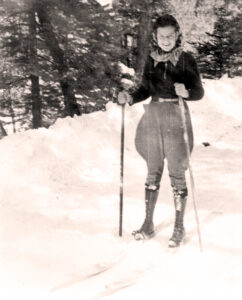
Skiing has come a long way from soggy, double-laced leather boots and bear-trap ski bindings. Before Hannes Marker pioneered releasable bindings, spectacular injuries were not uncommon — or as Bob Hoye said in the story “Skiing for 70 years,” “I knew a guy who suffered a spiral tib, fib and femur. All on one leg and in one crash.”
Skiing gear has definitely evolved, and while no one can control the risks a skier might take, at least the equipment makes the sport safer.
The same goes for skier transport. Remember rope tows? Poma lifts? T-bars? The first chairlift, designed by Union Pacific engineer Jim Curran for the 1936 opening of Idaho’s Sun Valley, must have seemed like a godsend for skiing — and it was.
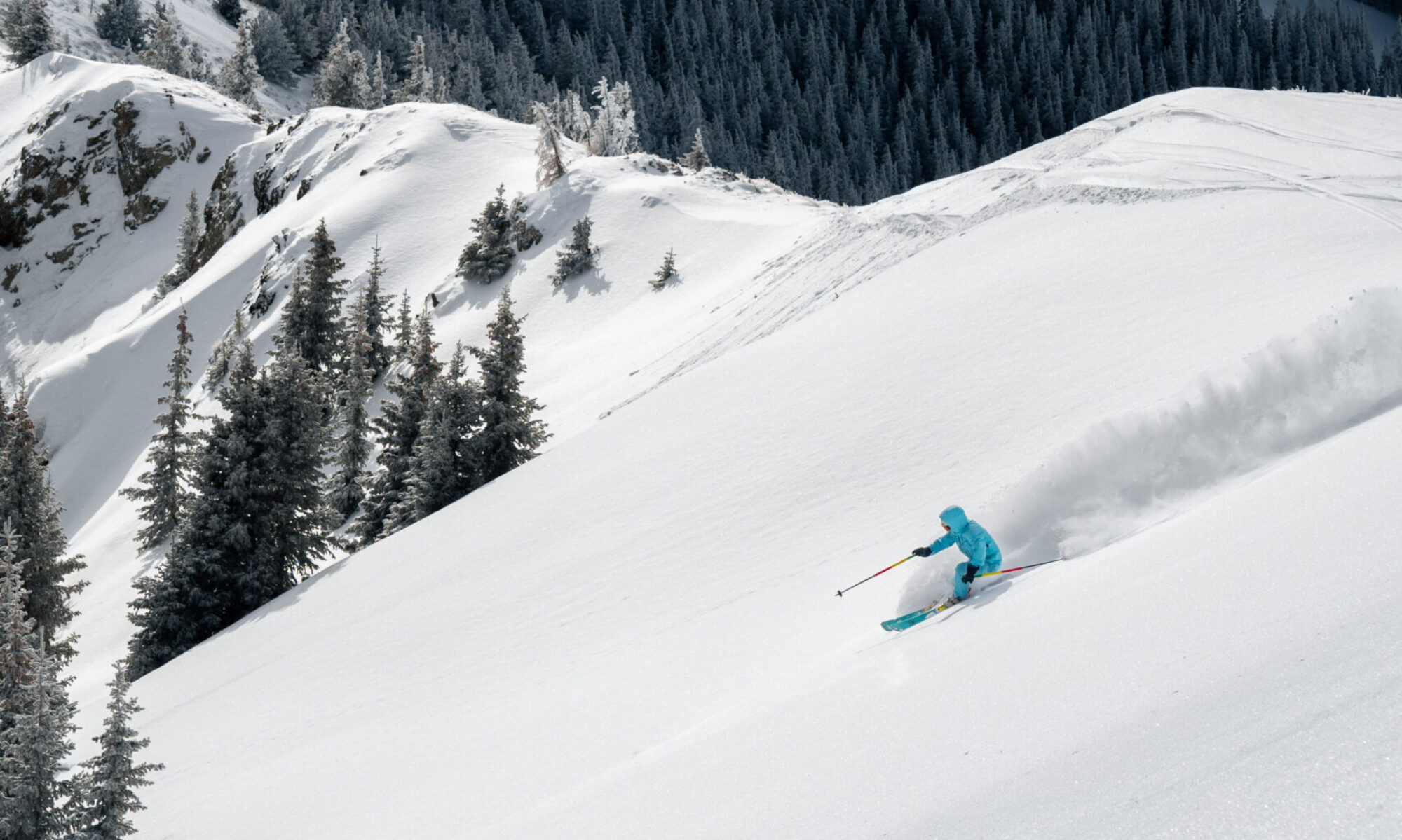
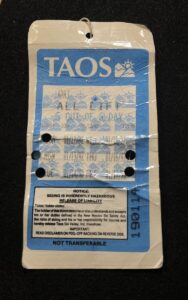
Take the following excerpt from Taos Ski Valley’s history, “In 1957 a Poma [platter] lift went up Al’s Run [one of the steepest ski runs going]. … The lift pulled passengers along the ground at twice the speed of a modern lift. … Small people were lifted completely off the ground in certain spots and hung spinning in the air.”
Today’s skiers are treated to faster, more comfortable chairlifts and high speed detachable quad (four-person) chairlifts that eliminate long lines and “chair bang” — that bruise on the back of your legs you get from being hit hard from behind by a fast-moving chair.
And grooming? A few die-hards may long for the days when skiing required skill to navigate through icy ruts, giant moguls and huge holes, or sitzmarks, left behind by less skilled skiers. Maybe a few miss seeing numerous bamboo poles with flags dotting the slopes, a warning to skiers bare spots are ahead.
The rest of us are grateful for mountainwide snowmaking and grooming machines that leave a fluffy “corduroy surface” — perfect for cruising.
Ask any old timer, they’ll tell you: Skiing just keeps getting better and better!
Museums showcase unique works this winter and spring
Staff report
Every museum in Taos is a showcase, every day. Visitors have only to decide how to plan their days. Several of these curators of Northern New Mexico arts and culture also frequently plan special exhibitions showcasing unique perspectives. Some will be gone soon. Plan accordingly.
“The Story of Us”
The Art of Richard Alan Nichols: A Thirty-Year Retrospective
Where: Taos Art Museum at Fechin House
Last day: December 29, 2024
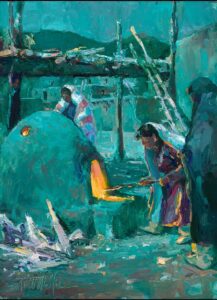
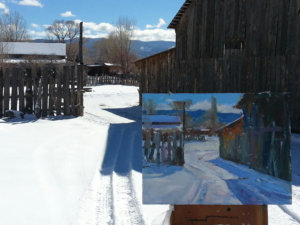
While studying at the American Academy of Art in Chicago, Richard Alan Nichols learned about the Taos Society of Artists, which led him to his first visit to Taos in 1990. He was led to paint the sights of the area, and in 1994, he and his wife Deb relocated to Taos. With “The Story of Us,” Nichols is allowing himself to reflect on his life’s work and the impact it has had. “I chose paintings that all represent something special — that reflected my painting life, my emotional life — they all have a story.”
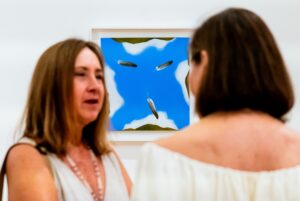
“Luchita Hurtado: Earth & Sky Interjected”
Luchita Hurtado’s 1971 Encounter DANIEL PEARSON
Where: Harwood Museum of Art
Last day: Feb 23, 2025
When Los Angeles-based artist and former part-time Taos resident Luchita Hurtado died in 2020 at the age of 99, few were aware of the remarkable life she lived as an artist and environmental activist. Born in Venezuela in 1920, Hurtado attended classes at the Art Students League New York, then lived in Mexico City, the San Francisco Bay area, and Santa Monica. During the 1970s, Hurtado began spending a significant amount of time in Taos, where she and her third husband, fellow artist Lee Mullican, built their second home.
Hurtado’s work continued to evolve throughout the 1960s and ’70s, leading to contemplative self-portraits known as her “I Am” paintings. This series was followed by a group of surrealist “Body Landscapes” — the human figure assumes the form of mountains and desert sand dunes — and her late-1970s “Sky Skin” series — feathers weightlessly float in bright blue skies. Works from this period were informed by Hurtado’s feminist ideals and involvement with the Los Angeles Council of Women Artists, which hosted Hurtado’s first solo exhibition in 1974.
Up to the last days of her life, Hurtado continued to make work that pushed the boundaries of her practice through numerous drawings and paintings related to nature.
“Channeling Luchita: A Community Response to the Life and Work of Luchita Hurtado”
Where: Millicent Rogers Museum
Last day: Feb 2, 2025
Millicent Rogers Museum (MRM), with the Taos Abstract Artist Collective (TAAC) is displaying “Channeling Luchita: A Community Response to the Life and Work of Luchita Hurtado,” a collaborative exhibition and curatorial response. Curated by Claire Motsinger, Deborah McLean, and TAAC artists Bob Parker and Jill Kamas, this exhibition presents 10 New Mexico artists whose styles and conceptual practices respond to the themes conjured in Hurtado’s artistic body of work: Audra Elizabeth Knutson, Dean Pulver, Josh Tafoya, Lynnette Haozous, Margaret R. Thompson, Maye Torres, Olive Tyrrell, Rick Romancito and Tse Tsan.
“Querencia” by Tse Tsan
MRM’s other winter and spring exhibitions:
28th Annual Miniatures Show & Sale, Feb. 8–March 9, 2025. This popular annual event includes hundreds of works, paintings, prints, sculpture, jewelry and more from Taos, Rio Arriba and Colfax counties.
Taos Pueblo Winter Arts Show, March 15–16 (date subject to change). Free admission to view and buy works by dozens of Taos Pueblo artists. Performances and Pueblo-made food help make this annual event even more wonderful.
National Pastels Society Show & Sale, March 22–June 1, 2025. This juried exhibit showcases award-winning pastel works from some of the country’s finest pastel artists.
“Forsaken Objects and Untold Stories”
Photographs by Zoë Zimmerman
Zoë Zimmerman
Where: Taos Art Museum at Fechin House
Last day: March 30, 2025
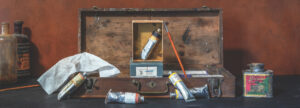
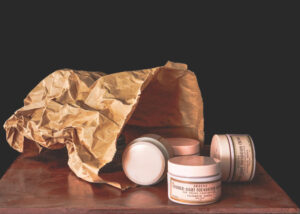
A little over two years ago, Christy Coleman, executive director at the Taos Art Museum at Fechin House, noticed a box of dust-covered, interesting looking bottles in the basement of the Fechin House. Her discovery culminated in the unique exhibit “Forsaken Objects and Untold Stories” a 42-photographic exhibit of personal items once owned and used by Nicolai Fechin and his wife Alexandra, and photographed by artist Zoë Zimmerman.
“I showed Zoë everything in the basement and I could immediately tell that, like me, she saw something special in the remnants from the Fechins’ lives,” Coleman said.
The boxes were packed with leftovers from the Fechins’ personal lives — discarded tube of Nicolai Fechin’s signature cobalt blue paint and Alexandra Fechin’s bottles of facial cleansers and hand cream.
Zoë Zimmerman
“Initially it was exciting, like finding something in someone’s attic,” Zimmerman said. “I really thought … it would be good for me to try and take pictures that were just about composition and color and light … I can’t do anything visual unless there is an emotional backstory and I had to make emotional sense of it.”
Coleman matched Fechin’s portraits and Zimmerman’s photographs — a portrait of Alexandra with a photograph of her lipstick — and the rare, respectful and emotion-provoking exhibit is on display throughout both floors of the Fechin House.
“Nicholas Herrera: El Rito Santero”
Nicholas Herrera
Where: Harwood Museum of Art
Last day: June 1, 2025
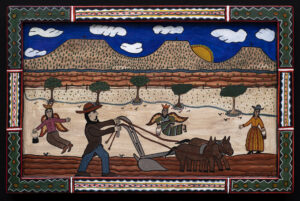
Nicholas Herrera, known as the saint maker of El Rito, has carved out a life that straddles the sacred and the profane.
“I’ve been a santero since when I was a young kid,” Herrera told Laura Martin Baseman during a “Voices of Taos” podcast interview. “One of my great uncles was Santero de la Muerte [José Inéz Herrera].”
Herrera said he was inspired when he saw photos of his uncle’s works at the Denver Art Museum. “Right away, I was like: Man, now I know why I’d like to carve. I think it’s in my blood. Yeah. And so I started carving. … I learned mostly on my own. I cut my fingers a lot, but … I was always carving.”
Rebellious and reckless, Herrera’s life seemed destined for destruction. All that changed in 1990: At the age of 26, a serious car accident left Herrera in a coma, teetering on the edge of life and death. He experienced a vision of a death figure, a carved specter created by his great-uncle José Inés Herrera, standing at the end of a tunnel of light. When he awoke, the transformation began. Herrera felt compelled to leave behind the chaos of his past and dedicate himself to his craft.
Nicholas Herrera
As a modern santero, Herrera creates bultos (carved wooden figures), retablos (painted wooden panels), and large-scale mixed media works, each one a chapter in the rich, and often challenging, narrative of his life.
“Charles Ross: Mansions of the Zodiac”
Where: Taos Art Museum at Fechin House
March 15–Sept. 7, 2025
“Charles Ross: Mansions of the Zodiac” is a planned exhibition of Ross’s artwork, inspired by sunlight, starlight, time, and planetary motion. Ross emerged in the 1960s and is considered one of the preeminent figures of land art. This exhibition is opening as Ross nears the completion of his earth/sky work,” Star Axis,” a monumental architectonic sculpture, and naked eye observatory located on the eastern plains of New Mexico. It will give us a glance at his art and art making in New Mexico, a place that is elemental to his life and work.
“Luchita Hurtado: Earth & Sky Interjected” DANIEL PEARSON
Taos Historic Museums
Harwood Museum of Art
Harwood Museum is considered the second-oldest art museum in the state and houses an impressive array of Spanish Colonial and Hispanic relics as well as works from the many waves of artists who have found their muse in the Taos Valley.
238 Ledoux St, Taos | 575-758-9826
harwoodmuseum.org
E.L Blumenschein Home & Museum
Next door, the E.L Blumenschein Home & Museum is a living museum and shrine to Ernest and Mary Blumenschein’s legacy.
222 Ledoux St, Taos | 575-758-0505
taoshistoricmuseums.org
Richard Alan Nichols
Hacienda de los Martinez, a living museum on the outskirts of town, is a Spanish Colonial-style fortress-like home (now on the National Register of Historic Places) that became an important center of commerce for traders.
Hacienda de los Martinez
708 Hacienda Road, Taos | 575-758-1000
taoshistoricmuseums.org
Kit Carson House & Museum
Kit Carson House near the plaza is a prime example of vernacular New Mexico adobe architecture that gives us a better understanding of how people lived in the 19th century. Restoration, at an estimated cost of $3 million, will stabilize and rehabilitate this 200-year-old historic adobe structure.
113 Kit Carson Road, Taos | 575-758-4945
kitcarsonhouse.org
Couse-Sharp Historic Site
Couse-Sharp Historic Site features the former homes and studios of E. I. Couse and J. H. Sharp, two of the American-born, European-trained artists who formed the Taos Society of Artists in 1915.
146 Kit Carson Road, Taos | 575-751-0369
couse-sharp.org
Governor Bent House & Museum
Governor Charles Bent House & Museum, across from the John Dunn Shops, provides a small glimpse into a violent chapter in Taos’ history.
Zoë Zimmerman
117A Bent St Taos
taos.org/places/governor-bents-house-and-museum
Taos Art Museum at Fechin House
The Fechin House that now houses Taos Art Museum was once home to the Russian artist Nicolai Fechin. Today, the beautifully restored adobe building is a museum dedicated to Fechin’s life and work. The museum’s collection includes Fechin’s paintings, drawings, and sculptures, as well as works by other Taos artists.
227 Paseo Del Pueblo Norte, Taos | 575-758-2690
taosartmuseum.org
Nicholas Herrera
Millicent Rogers Museum
Millicent Rogers Museum houses an impressive and priceless collection of Native American art and jewelry, Hispanic textiles, and Spanish colonial art.
1504 Millicent Rogers Road, El Prado | 575-758-2462
The multicultural, contemporary Taos we know today dates back to August 29, 1540 when Capitan Hernando Alvarado arrived in the Taos Valley for the first time. Today, three cultures exist side by side, and Taos’ history is dotted with so many illustrious names.
Here are a few highlights:
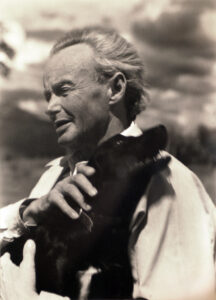
Ernie Blake
Ernie Blake
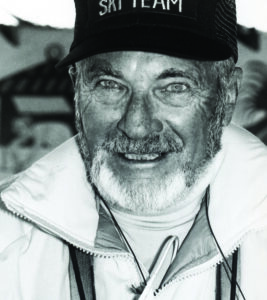
Taos Ski Valley Inc.’s founder was inducted into the U.S. National Ski Hall of Fame in 1987 and the New Mexico Ski Hall of Fame in 2003. The Blake family left Nazi Germany in 1938, but Ernie later returned to Germany to help in the Allied war effort working for both British Intelligence and in Gen. Patton’s Third Army. Later, it was while flying between the ski areas he ran in Santa Fe and Glenwood Springs, Colorado, that Ernie first spotted the snow-covered slopes that led to TSV’s founding in 1956. Ernie, 75, died in 1989 of pneumonia.
John Nichols
John Nichols
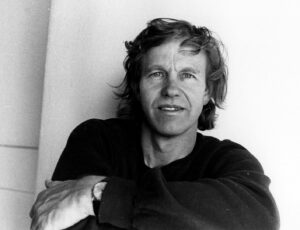
John Nichols had already tasted fame before coming to Taos in 1969. His novel, “The Sterile Cuckoo” (1965), was made into an Oscar-nominated film starring Liza Minnelli in 1969. His seminal novel, “The Milagro Beanfield War,” was written here, and in a sense, it remains the quintessential Northern New Mexican novel (albeit by a gringo.) He wrote the New Mexico Trilogy — “The Milagro Beanfield War” (1974), “The Magic Journey” (1978), and “The Nirvana Blues” (1981) — as well as numerous other works of fiction and nonfiction. Nichols died in 2023.
Padre Antonio José Martínez
Padre Martínez
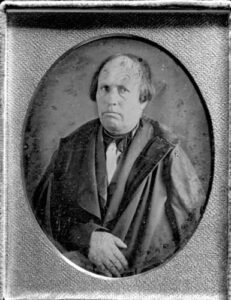
Padre Antonio José Martínez — Jan. 16, 1793–July 27, 1867 — was the very famous pastor at Our Lady of Guadalupe Parish for over 30 years and was a pivotal political, spiritual and cultural influence during the transition of power from Mexican to U.S. governance in the mid-1800s. As a result of his activism, he was famously excommunicated by Bishop Jean Baptiste Lamy.
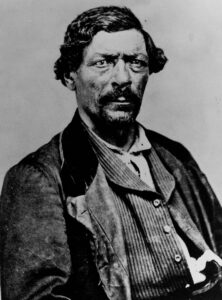
Kit Carson
Kit Carson
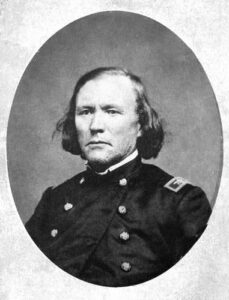
Whatever one feels about his legacy, Christopher “Kit” Carson left his mark in Northern New Mexico: The Kit Carson Home & Museum is an intriguing stop on any history aficionado’s tour in Taos, and Kit Carson Park is named for the famed explorer, scout, trapper, Indian agent, rancher, and soldier. He traversed and scouted the Santa Fe Trail, fought Confederate troops in New Mexico during the Civil War and battled to secure California for his country in the Mexican-American War. But Carson’s role in rounding up the Navajo in the 1860s — which led to their forced “Long Walk” — damaged his legacy as a “frontier hero.”
Marcelino Baca
Marcelino Baca
Baca was a Taos native and a fur trader who helped establish the Southwest fur trade. Taos’ establishment as a major trade center put the town on the map long before the arts did. Baca settled down with his family in 1854 in what is now Red River; then it was Río Colorado. He died in the Civil War as one of the New Mexico Volunteers in a battle with invading Texans on Feb. 21, 1862.
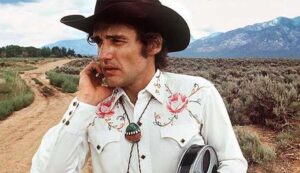
Dennis Hopper
Dennis Hopper
When Dennis Hopper passed away in May 2010, just a couple of weeks after his 74th birthday, American pop culture lost one of its greatest iconoclastic figureheads, and Taos lost one of its most colorful residents. Over the years, Hopper’s life and times became entwined with Taos. It is where he shot portions of his phenomenally successful hippie-biker film “Easy Rider” and lived on and off ever since. Hopper bought the Mabel Dodge Luhan house and dubbed it “The Mud Palace,” threw some star-studded parties and was buried in nearby Talpa after he died.
Gary Johnson
Gary Johnson
The erstwhile Libertarian presidential candidate and former New Mexico governor has a home only a short drive from Taos Ski Valley. It makes sense. He is an avid skier, cyclist and all-around athlete.
Donald Rumsfeld
Donald Rumsfeld
The late Defense Secretary under President George W. Bush lived in Taos part-time and had been spotted with his grandkids at a July 4 parade. Demonstrations erupted at his property during the Iraq War, but he remained unruffled. He told Gentleman’s Quarterly in 2007, “I have nothing to apologize for.” On June 29, 2021, Rumsfeld died at his home in Taos.
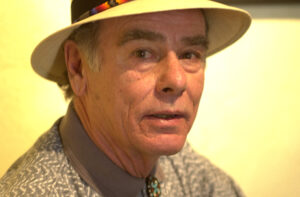
Dean Stockwell
Dean Stockwell
The late actor and artist appeared in about 100 films since 1945 and acted on the small screen even more often, including the 1990’s hit “Quantum Leap.” Unlike many of the celebs Hopper lured here, Stockwell stayed. An accomplished artist, he created “surreal, digitally enhanced collages” and brightly colored dice sculptures. In 2021 he died of natural causes in New Zealand, where his daughter lived.
R.C. Gorman
R.C. Gorman
The New York Times called him “the Picasso of American Indian artists.” From the late 1960s to his death in 2005, Rudolph Carl Gorman lived in his compound visible from State Road 522 and exhibited his richly colored images of over-sized, impressionistic Native women.
Larry Bell
Larry Bell
A resident of Taos since 1973, Bell is probably best-known for his 3D glass cubes. He told Trend magazine in 2014: “I’m a party guy,” Bell says, with a boyish grin. “… In Taos, there is much less temptation.” His work graces the Museum of Modern Art in New York, the Tate Gallery in London and just about every major museum throughout the U.S. and Europe.
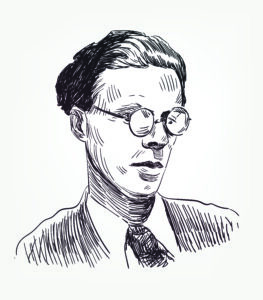
Aldous Huxley
Aldous Huxley
The British author of “Brave New World” reportedly wrote his collection of essays “Means and Ends” in 1937 while staying at the homestead that is now the Taos Goji Farm & Eco-Lodge. The lore: Huxley once ran into the outhouse in fear of a dog. The philosopher and futurist was trapped in there for three hours.
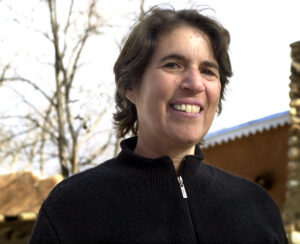
Natalie Goldberg and Julia Cameron
Julia CameronNatalie Goldberg
To those who have tried to tap into their inner writer or artist, these women are household names and former Taos residents. They both have since emigrated to Santa Fe. Between them, they wrote dozens of books. “Writing Down the Bones” and “The Artist’s Way,” respectively, are their most popular works.
Mike Reynolds
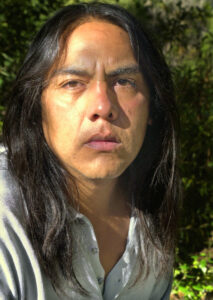
Mike Reynolds
The documentary on this man’s life is called “The Garbage Warrior” and, indeed, his Earthship community northwest of town is a monument to the idea that one can live off-grid and use recycled materials to build comfortable, self-sustaining, attractive, artistic, and downright cozy homes.
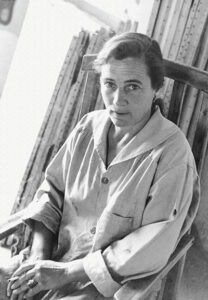
Agnes Martin
Agnes Martin
Martin first came to New Mexico when she was a young woman. Some of her large, minimalist paintings hang in the Harwood Museum here. The world-renowned artist moved to New Mexico in 1967, and in the end, came back to Taos in 1993 and lived here until her death in 2004.
Dave Hahn
Dave Hahn
You could say he’s a Taos Ski Valley patroller, and that would be correct. But it would sort of miss the point. The man has scaled Mount Everest 15 times. He even guided former Gov. Gary Johnson to the summit of Everest and Mt. Vinson in Antarctica
Andrew Dasburg
Andrew Dasburg
An American modernist painter and “one of America’s leading early exponents of cubism,” Andrew Dasburg will forever be recognized in 20th century American art history as one who heroically carried on the battle for modernism, primarily in New York in the early years of the 20th century. He will also be remembered as an artist of great versatility who brought new interpretations to the New Mexico landscape that are distinctive and lasting. He died in Taos at age 92 in 1979.
Robert Mirabal
Robert Mirabal
The locals think of Mirabal as a farmer, flute maker, a good dad — and, oh yes, a Grammy Award-winning musician who played Carnegie Hall last year. Taos Pueblo-born, Mirabal won the 2008 Native American Album of the Year. He plays locally quite often, and if you are lucky, you might catch one of these remarkable performances.
Mabel Dodge Luhan
Mabel Dodge Luhan
Arts patron, salon hostess, writer and prominent Taoseña, Mabel Dodge Luhan is celebrated for her role in building artistic communities, supporting artists and generating interest in modern art forms. After building a four-room adobe, which eventually had 17 rooms, she entertained painters, sculptors and photographers John Marin, Georgia O’Keeffe, Ansel Adams and Laura Gilpin; dance choreographer Martha Graham; anthropologists John Collier and Elsie Clews Parsons; and writers Willa Cather, Aldous Huxley, and D. H. Lawrence. She is buried in Kit Carson Memorial Cemetery.
Millicent Rogers
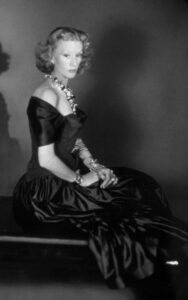
Millicent Rogers
Heiress, socialite, fashion icon, jewelry designer, and art collector, Rogers designed modern jewelry pieces that she eventually had made (or made herself at her own bench). She was very passionate about both the Hispanic and Native American communities in New Mexico and played a quiet but instrumental role in securing Blue Lake for Taos Pueblo. Her Taos legacy remains in the museum that bears her name.
Dorothy Brett
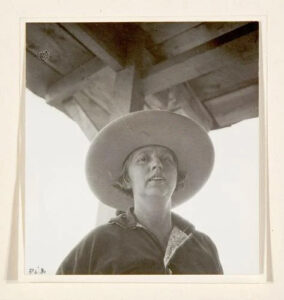
Dorothy Brett
In 1924, Brett moved to the D. H. Lawrence Ranch near Taos with Lawrence and his wife Frieda. She settled permanently in Taos and became a U.S. citizen in 1938. In the 100 years since her arrival, her images have become iconic representations of the people and landscape of Taos.
You’ve booked your trip to Taos – now, where to stay? For a truly unique Taos experience, we’ve got an assortment of stays to suit you and the whole family.